
2026 Top Racks Rigs for Global Buyers

Choosing equipment for international operations requires more than comparing photos and prices. In 2026, buyers will examine Racks Rigs for strength, fit, serviceability, and documented compliance. This guide introduces leading rack and rig options for warehouses, workshops, logistics teams, and specialized transport applications. It focuses on practical evidence: load ratings, steel thickness, weld quality, finish durability, mounting points, and replacement-part access. A well-built frame should remain stable on uneven floors and survive repeated loading without unnecessary movement. Clear assembly instructions matter too. They reduce installation errors and help teams train new operators. We also consider container dimensions, packaging quality, delivery routes, and regional support. These details often decide whether a promising product performs well after arrival.

Reliable purchasing starts with verification. Buyers should request current test reports, material specifications, warranty terms, and inspection records before committing funds. Relevant national and regional requirements must be checked with qualified local professionals. Standards and enforcement can differ across markets. Do not rely on a dramatic product image. Ask how the rack was tested, under which conditions, and with what safety margin. No ranking is perfect. A low-cost model may offer excellent value, while an expensive system may fit poorly. This guide therefore compares strengths and limitations rather than making absolute promises. Field experience suggests that maintenance access, corrosion protection, and honest capacity labels deserve special attention. A quiet hinge, clean weld, or readable plate can reveal more than polished marketing. Still, supplier claims require independent review. Use this introduction as a practical starting point for informed, lawful, and responsible global purchasing decisions.
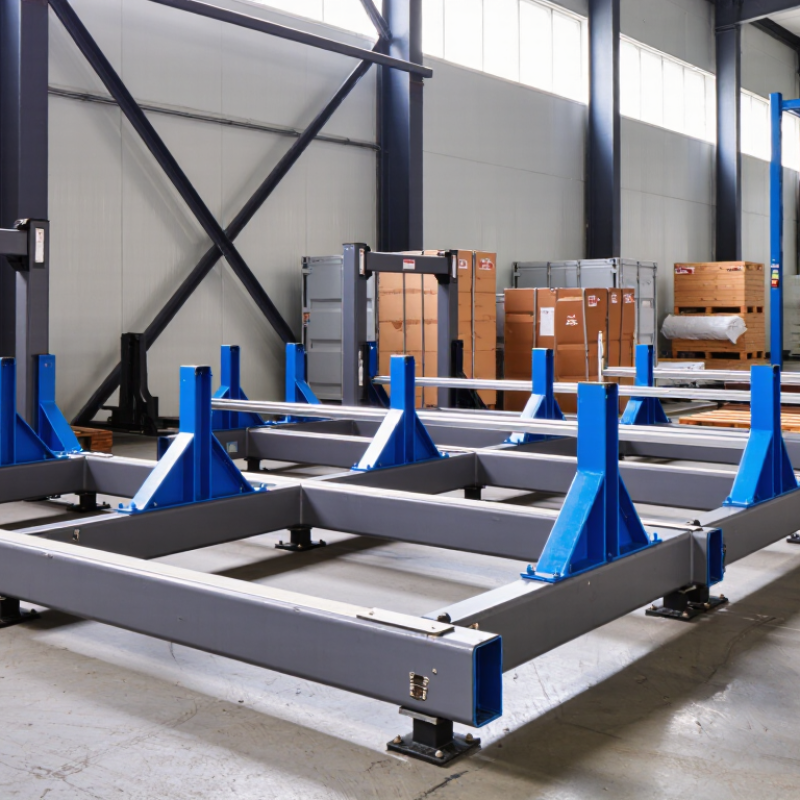
2026 Top Racks Rigs for Global Buyers

What Racks and Rigs Are and How They Serve Global Industries

2026 Top Racks Rigs for Global Buyers

Racks are structured frames that store, support, or organize equipment.
Rigs are assembled systems designed for movement, testing, lifting, or controlled production.

In warehouses, pallet racks hold cartons above busy floors. In data centers, equipment racks guide airflow, cables, and maintenance access. On production sites, rigs stabilize loads during installation or inspection.

Their value is practical.

A correctly selected rack improves space use and worker access. A properly engineered rig reduces unwanted movement and setup time.

The International Energy Agency reported that data centers used about 415 terawatt-hours of electricity in 2024. This makes airflow, power density, and service clearance important rack decisions.

The Uptime Institute’s 2024 Global Data Center Survey also reported an average power usage effectiveness of 1.56 for surveyed facilities. Small layout choices can affect operating costs.

Global buyers should check load ratings, corrosion resistance, anchoring, adjustable dimensions, and local safety requirements.

MHI’s 2024 Annual Industry Report found that 83% of supply chain professionals planned to increase technology investment. That trend supports modular storage and monitoring systems.

Yet automation is not always the answer. A complex rig can create new failure points when maintenance skills are limited.

Field inspections matter. So does honest documentation.

A rack may look strong, but uneven floors, poor fasteners, or overloaded beams can change its real performance. Perfect specifications rarely survive real workplaces.

Key Rack and Rig Types Available to International Buyers in 2026

2026 Top Racks Rigs for Global Buyers

International buyers can choose from several rack and rig types in 2026. Standard 19-inch server racks suit networking, storage, and power equipment. They usually range from compact wall-mounted cabinets to tall, floor-standing enclosures. Open-frame racks improve access and airflow, while enclosed cabinets offer better protection from dust, contact, and noise.

Mobile racks support temporary deployments, events, and technical rooms. Test rigs provide stable platforms for measuring equipment performance in laboratories or production environments.

Industrial rigs often include reinforced frames, adjustable mounting rails, and improved cable management. Buyers should check static load ratings, ventilation paths, grounding points, and available accessories. A neat cable route can save hours during maintenance.

Tips: Request drawings, material details, and load-test records before ordering. Confirm the usable depth, not only the external dimensions. Ask whether the rack arrives assembled or flat-packed. Shipping damage is possible, even with careful packaging. Verify local electrical and safety requirements with a qualified installer. Certification expectations vary by country, so generic claims deserve careful review. No configuration is perfect. A sealed cabinet may protect sensitive equipment, but it can trap heat without proper cooling. An open frame improves service access, but it offers less physical protection. Buyers should compare the real operating environment, installation skills, and future expansion needs before selecting a rack or rig.

Essential Specifications for Comparing Racks and Rigs

2026 Top Racks Rigs for Global Buyers

Comparing racks and rigs starts with measurable specifications, not attractive photographs. Check the maximum working load, usable depth, mounting width, and total height. A rack rated for 500 kilograms may need a lower limit after wheels, shelves, and uneven flooring are considered. Measure twice. Small details matter.

During equipment inspections, I record frame material, weld quality, fastener type, and surface protection. Powder-coated steel handles regular warehouse use, while stainless steel suits humid or corrosive environments better. Confirm the adjustment range before ordering. A rig that fits today’s equipment may become restrictive after one upgrade.

Cable openings, ventilation space, locking points, and access panels also affect daily operation. Leave at least a small service gap around heat-producing equipment.

Ask for test methods, load-distribution data, dimensional drawings, and maintenance guidance. Independent inspection records are more useful than vague claims about strength. Check whether the stated capacity applies to static storage, movement, or repeated adjustment. These conditions are not equal.

My comparison sheets are never perfect; suppliers may measure usable depth differently. I now request photographs with a ruler and a loaded-condition diagram. That extra step has prevented expensive mistakes. Consider floor type, doorway width, shipping protection, replacement parts, and local installation requirements before making a purchase.

Leading 2026 Rack and Rig Categories by Application and Region

2026 Top Racks Rigs for Global Buyers

Leading 2026 Rack and Rig Categories by Application and Region

In 2026, buyers are selecting racks and rigs according to workload, space, and local conditions. Data centers often need enclosed server racks with airflow control, cable management, and dependable load ratings. Warehouses usually require adjustable pallet racks, reinforced frames, and clear aisle planning. Fitness facilities prefer modular training rigs with stable anchors and replaceable attachments. Event operators need lightweight rigging systems, certified hardware, and fast installation. The right category depends on daily use, not appearance.

Tips: Confirm load capacity, ceiling height, floor strength, and maintenance access before ordering. In seismic regions, request tested anchoring options. Humid coastal areas need corrosion-resistant finishes. Hot climates may require stronger ventilation planning. Regional electrical standards and workplace rules also affect installation. Ask for test reports, material details, and inspection guidance. Small oversights become expensive later.

Application trends differ by region. European buyers often emphasize energy efficiency, compact layouts, and documented safety performance. North American facilities commonly prioritize scalability and rapid replacement. Asian markets may favor space-efficient designs for dense urban sites. Buyers in the Middle East often consider heat, dust, and long operating hours. African projects may need simple maintenance and reliable local support. These patterns are useful, but they are not absolute. A perfect regional forecast is impossible. Site surveys still matter more than general market claims.

Global Buying, Compliance, Shipping, and Installation Considerations

2026 Top Racks Rigs for Global Buyers

Global Buying, Compliance, Shipping, and Installation Considerations

A reliable rack or rig begins with verified load data, not attractive product photos. Confirm the working load, beam span, frame height, and floor conditions before requesting quotations. Ask for material certificates, test reports, drawings, and clear assembly instructions. Local requirements may differ by country, building type, and intended use. A supplier’s general statement of compliance is not enough. Your importer, engineer, or local authority should review the documents before purchase.

Shipping can change the real cost quickly. Measure packed sections, not assembled dimensions. Check container limits, moisture protection, labeling, and unloading equipment at the destination. Clarify responsibilities for duties, insurance, port handling, and inland delivery. Installation also needs planning. Uneven floors, missing anchors, or unsuitable tools can delay a project for days. I have seen buyers approve a design too early. The design looked efficient, but it ignored local access and labor conditions.

Tips: Keep one document folder for drawings, certificates, packing lists, and inspection records. Photograph each package before opening it. Verify bolt counts and frame labels during installation. Do not assume the included hardware suits every floor. A small site survey can prevent a costly redesign, although it may still miss hidden structural problems. Recheck the final load signs after installation. Safety depends on that detail.

Article Source: