
Choosing among Conveyor Belt Beam Cutting Press Factories in China takes more than comparing machine prices. Buyers need to examine cutting accuracy, press capacity, belt-feed stability, guarding, and after-sales support. A clean factory floor matters, but so does a sample cut: inspect its edge, dimensions, and consistency across repeated cycles.
Automation offers useful context. The International Federation of Robotics’ World Robotics 2024 report recorded 4,281,585 industrial robots operating in factories worldwide in 2023, a 10% increase from 2022. That figure describes industrial automation broadly, not beam-cutting presses specifically. It cannot prove that a press maker’s line is automated or reliable. A limitation worth remembering.
Manufacturing expert Taiichi Ohno is often quoted: “Where there is no standard, there can be no kaizen.” The principle fits factory evaluation: ask how suppliers document inspection, repeatability, and corrective action, rather than relying on polished demonstrations. Check whether the quoted cutting force matches your material thickness and whether conveyor alignment stays stable under load. Ask to see maintenance records, spare-parts lead times, and an acceptance test using your own material.
Details count. A few millimeters can matter. This guide compares Chinese factories through verifiable capabilities, equipment fit, and service evidence. No single checklist replaces an on-site audit or a production trial; specifications can look convincing, while actual results still need testing.
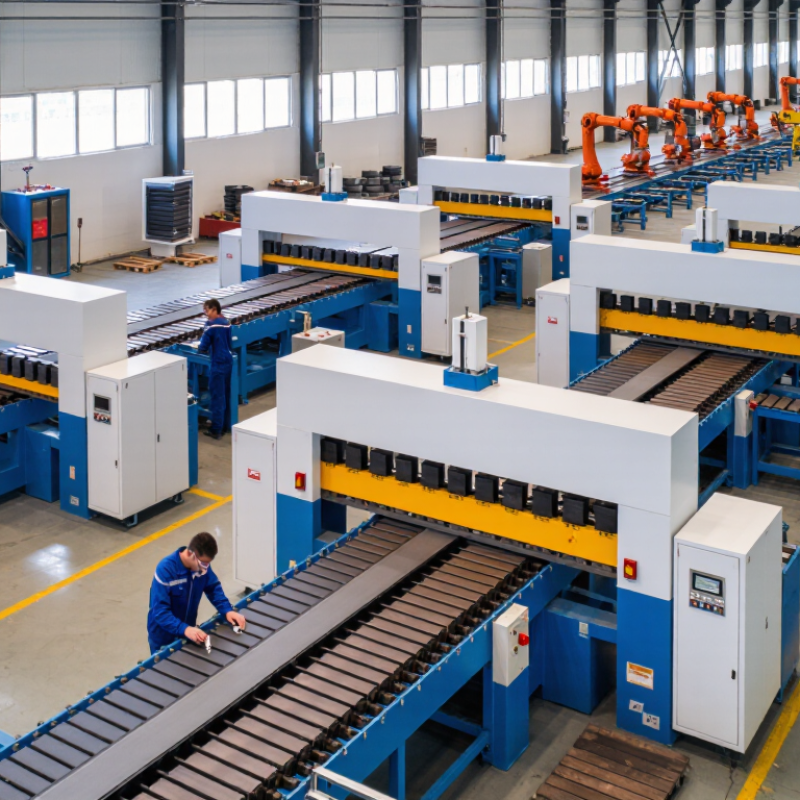
A conveyor belt beam cutting press uses a shaped steel rule die to cut belt material into repeatable pieces. The operator lays the belt flat on a cutting board and aligns the die with a marked edge or template. A moving beam then applies controlled pressure across the die. The sharp rule cuts through rubber, fabric, or layered stock in one stroke. The press does not do the measuring for you.
Pressure and stroke depth matter. Too little force can leave fabric strands attached; too much may damage the cutting board or distort a soft belt. Operators often make a test cut on a sample, then adjust the settings. Small differences in belt thickness can change the result. That detail is easy to miss.
On many presses, the beam travels across the work area, allowing cuts at different positions without moving a heavy die by hand. Guides help maintain alignment, while guards and two-hand controls reduce exposure to the cutting zone. Keep the belt clean and flat; a curled edge can shift under pressure. Setup is not perfectly repeatable every time, especially with worn dies or uneven material. Checking the first few pieces is a practical habit, not wasted effort.
Best Conveyor Belt Beam Cutting Press Factories in China
Key Features of Beam Cutting Presses for Conveyor Belt Production
In conveyor belt production, a beam cutting press must deliver steady force across the cutting area. Uneven pressure can leave incomplete cuts or damage belt edges. Adjustable stroke depth helps operators match the press to different material thicknesses and cutting dies. A parallel moving beam also supports consistent results across wide sheets. Small details matter. A clear control panel, guarded working area, and accessible emergency stop make daily operation more manageable.
The cutting table should support the belt without shifting it during repeated cycles. Check whether its surface suits the material and whether waste can be cleared easily. Press capacity is important, but usable cutting area and cycle consistency deserve equal attention. Ask factories to demonstrate cuts using representative belt material, not just thin sample stock. A quiet demonstration may not reveal long-shift performance. Review maintenance access, spare-part availability, and operator training before comparing equipment. These checks take time, and specifications alone rarely tell the whole story.
Press capacity is a key specification when evaluating beam cutting presses for conveyor belt materials. This chart converts selected nominal metric ton-force values to kilonewtons (1 tf = 9.80665 kN). Values are unit conversions, not specifications for any particular factory or machine.
Evaluating conveyor belt beam cutting press factories in China starts with the actual work the machine must handle. Ask about belt thickness, material hardness, cutting width, and daily production volume. A factory should explain how press force and beam travel suit those requirements, not just quote a maximum capacity. Request a trial using your own material. Check whether the cut edge is clean, the dimensions stay consistent, and scraps release without tearing. Small details matter. Watch the operator load and align a sample belt; awkward positioning can slow every shift.
A factory visit or live video inspection can reveal more than a polished brochure. Look at frame welds, electrical enclosures, hydraulic connections, and the finish around moving parts. Ask how each press is inspected before shipment and whether key components can be traced through production records. Ask for evidence. Also confirm what installation guidance, spare parts, and maintenance instructions are provided. Clear answers should include realistic lead times and named responsibilities, not vague promises. Even a capable machine may need adjustment for a specific belt construction. That is worth discussing openly. Compare trial results, service details, and documentation together before choosing a supplier.
| Evaluation Dimension | Weight | What to Evaluate | Evidence to Request | Score Guide (1–5) |
|---|---|---|---|---|
| Application and Material Capability | 20% | Whether the press is suitable for the buyer’s conveyor-belt materials, reinforcement structure, thickness, cutting area, and production process. | Written specification sheet; material and thickness limits; sample-cut results using the buyer’s actual material. | 1: Major requirements are unmet. 3: Core requirements are met with limitations. 5: Requirements are demonstrated on representative material. |
| Cutting Accuracy and Repeatability | 15% | Cut dimensions, edge quality, repeatability, and performance across the intended material and operating conditions. | Documented acceptance criteria; sample parts; measurement records from repeat cuts; explanation of measurement method. | 1: No defined acceptance method. 3: Results meet basic agreed requirements. 5: Repeatable results meet clearly documented buyer requirements. |
| Press Configuration and Controls | 10% | Press type, working area, stroke, cutting-force controls, feeding method, tooling compatibility, and any required automation. | Machine layout; configuration list; control-system description; confirmation of included tooling, guarding, and accessories. | 1: Configuration is unclear or incomplete. 3: Main configuration is suitable. 5: Configuration is fully specified and matched to the process. |
| Machine Safety | 15% | Risk-reduction features appropriate to the machine, including guarding, emergency stops, control methods, and safe access for setup and maintenance. | Risk assessment; safety-device list; operating and maintenance instructions; applicable conformity documents for the destination market. | 1: Safety information is insufficient. 3: Key safeguards are documented. 5: Safeguards and documentation are complete for the intended use and market. |
| Quality Management and Build Consistency | 10% | Incoming inspection, assembly checks, functional testing, traceability, and procedures for resolving nonconformities. | Quality-system documentation; inspection and test records; sample factory acceptance test report; component traceability information. | 1: Little verifiable inspection evidence. 3: Routine checks are documented. 5: Inspection, testing, and corrective-action processes are clearly evidenced. |
| Customization and Engineering Support | 10% | Ability to review drawings and process requirements, confirm interfaces, and document changes to the agreed machine configuration. | Technical review records; approved drawings; configuration-change procedure; written scope and exclusions. | 1: Requirements are not formally reviewed. 3: Standard engineering support is available. 5: Requirements and changes are systematically documented and confirmed. |
| Delivery, Installation, and Training | 10% | Clarity of production schedule, packing and shipment scope, installation responsibilities, commissioning, and operator training. | Project schedule; packing list; installation and commissioning plan; training agenda; written delivery and acceptance terms. | 1: Responsibilities and schedule are unclear. 3: A basic plan is provided. 5: Milestones, responsibilities, and acceptance steps are clearly agreed. |
| After-Sales Service and Spare Parts | 10% | Availability of technical support, troubleshooting information, spare-parts identification, and service arrangements for the buyer’s location. | Service contact process; recommended spare-parts list; parts drawings or codes; warranty terms; response and service scope in writing. | 1: Support arrangements are not defined. 3: Basic support and parts information are available. 5: Service scope, parts identification, and support arrangements are clearly documented. |
| Total | 100% | Score each dimension from 1 to 5. Weighted points = (dimension score ÷ 5) × weight. Compare factories using the same material, machine configuration, acceptance criteria, and quotation scope. | ||
China’s conveyor belt beam cutting press factories are concentrated in several manufacturing regions, each with different strengths. Zhejiang and Jiangsu offer broad machinery supply networks and access to component makers. Guangdong factories may provide flexible customization and export-oriented production. Shandong also has established industrial equipment suppliers, though capabilities vary by plant. These are useful starting points, not guarantees of quality.
A capable factory should explain how press capacity, cutting area, beam travel, and platen alignment match your material and production volume. Ask for test cuts using your actual belt samples. Check edge quality, repeatability, operating noise, and how quickly the machine handles different thicknesses. Review the control system, guarding, maintenance access, and availability of replacement parts. A polished showroom is not proof. Factory records and practical demonstrations matter more, and even a good supplier may have gaps worth discussing.
Tips: Request a written specification and a recorded sample test. Confirm installation support, operator training, and spare-part lead times. Compare details carefully; a low price can hide limitations in service or configuration.
Best Conveyor Belt Beam Cutting Press Factories in China
Selecting a Chinese Factory for Your Production Requirements
Choosing a factory starts with your actual material and output needs, not a machine’s headline capacity. Share belt width, material type, thickness range, daily volume, and required cutting tolerance. A reliable supplier should explain how the press handles your specific stack-up and what limits may affect repeatability. Ask for operating videos or a trial using samples similar to your own. Small differences in fabric backing can change feeding and cut quality.
Check the machine’s working area, pressure adjustment, safety features, and availability of replacement parts. Request clear specifications, installation guidance, and a written service response time. If possible, review a sample cut and measure its edges yourself. Ask how operators handle setup changes between material batches. The answer may reveal more than a polished brochure. No checklist catches everything; a trial run can still expose issues you did not expect.
Tips: Send labeled samples and a simple production schedule. Confirm voltage, floor space, and delivery scope in writing. Keep one detail in mind: the lowest quote may leave costly setup needs unclear.
