Choosing the best Process Valves for 2026 is not about finding one universal winner. It is about matching valve design, materials, and actuation to the fluid, pressure, temperature, and operating cycle. A throttling control valve faces different demands from an isolation valve on a steam line. Small choices matter: corrosive condensate, abrasive slurry, or frequent cycling can quickly expose a poor match.
The stakes are measurable. The International Energy Agency’s Global Methane Tracker 2024 estimated that fossil fuel operations released nearly 120 million tonnes of methane in 2023. That figure is not a valve-only estimate, but it underscores why leakage control and reliable sealing deserve attention. MarketsandMarkets’ Industrial Valves Market report projected growth from $85.6 billion in 2023 to $107.7 billion by 2028. Market growth, however, does not identify the right valve for a particular plant.
This guide compares ball, butterfly, gate, globe, and control valves through practical criteria: shutoff performance, pressure drop, maintenance access, materials, and automation needs. It also considers standards and manufacturer documentation, rather than relying on catalogue claims alone. A valve that performs well in clean water may struggle with hot, particle-laden service. No shortcut works. Real operating data should guide final selection, and this overview cannot replace a site-specific engineering review.
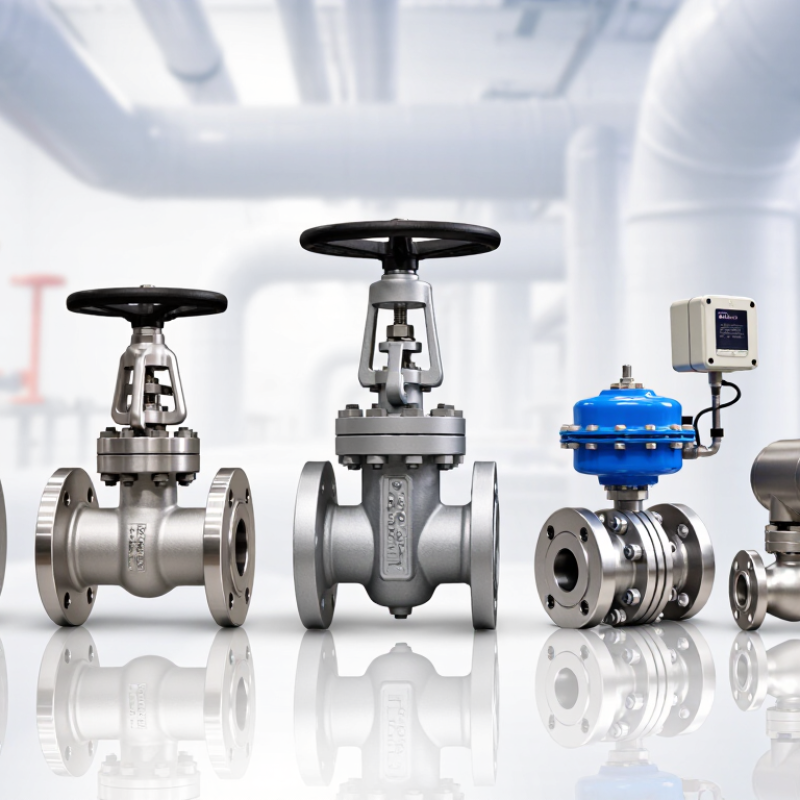
What Are the Best Process Valves for 2026?
What Process Valves Are and How They Control Flow
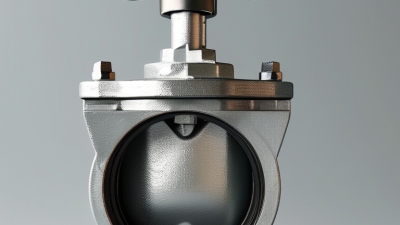
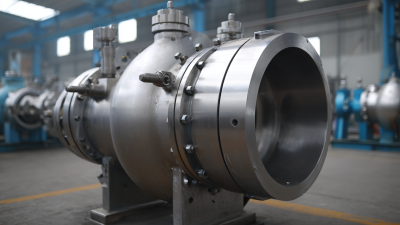
Process valves regulate, direct, or stop fluids moving through pipes. Depending on their design, they can open fully, throttle flow, or prevent reverse movement. A ball valve turns a bored sphere to open or block a line. A globe valve uses a moving plug for more controlled flow adjustment. Gate and butterfly valves serve other layouts and operating needs. Check valves respond to flow direction without an operator. That distinction matters.
For 2026, the best valve is the one suited to the actual process, not the newest design. Engineers consider the fluid, operating pressure, temperature, pipe size, and how often the valve cycles. A valve that handles clean water may wear quickly with abrasive slurry. Actuators also matter: manual handles work for accessible lines, while powered actuators can support remote or frequent control. Still, these guidelines can mislead if maintenance access or changing conditions are ignored. Real systems are rarely perfect.
Tips: Confirm the valve’s material and pressure rating against process conditions. Check the required flow direction, too. Before installation, review the manufacturer’s technical data and plan how the valve will be inspected. A small mismatch can become a costly headache.
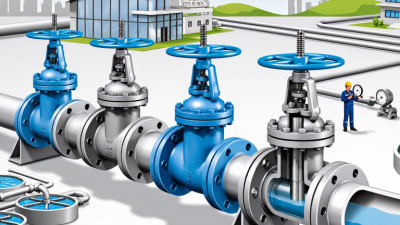
The best process valve depends on the fluid, pressure, temperature, and required control. Ball valves offer quick shutoff in water, gas, and many chemical lines. Their quarter-turn action is useful where operators need a clear open-or-closed position. Gate valves suit larger lines with infrequent isolation, but they are not ideal for throttling. Globe valves provide more precise flow adjustment, though their pressure drop can be higher. Small details matter.
Butterfly valves are compact and practical for large-bore water and utility services. Check valves prevent reverse flow near pumps, but poor sizing can cause chatter and wear. Diaphragm valves can handle corrosive or particle-laden fluids while isolating the actuator from the process. For modulating service, select a control valve using flow range, cavitation risk, and actuator response—not just pipe size. That distinction is easy to miss.
MarketsandMarkets’ Industrial Valves Market report estimated a global market of about $78.4 billion in 2024 and forecast $101.9 billion by 2029. These are market estimates, not proof that one valve type performs best. Confirm material compatibility, seal limits, maintenance access, and failure position against actual operating conditions. A valve that works on a clean-water test may behave differently with hot slurry or fluctuating pressure. Some selections still rely too heavily on habit.
For process valve selection in 2026, start with the fluid, not the product catalog. Record normal and upset pressure, temperature, flow range, and whether the medium contains solids or can corrode materials. Match the valve type and wetted components, including seals and trim, to the actual duty. A material that performs well during routine operation may behave differently during cleaning or a temperature swing. That distinction matters. Small details matter.
Size the valve for its operating range, not pipe diameter alone. An oversized valve can make stable control difficult. Check the required shutoff performance, leakage limits, and response time, then confirm whether manual, pneumatic, or electric actuation suits the site. Consider what happens on loss of power or instrument air; the preferred fail position depends on the process hazard, not convenience. Ask how often the valve needs inspection and whether technicians can reach its packing, actuator, and connections safely. Smart monitoring may help identify wear, but it cannot replace sound installation or a maintenance plan. Compare total operating needs, not just purchase cost, and verify assumptions against current process data. Sometimes that data is incomplete, so leave room for review before final sizing.
The best valve depends on the process conditions, including fluid properties, pressure and temperature, required shutoff, and control behavior. This modeled comparison shows normalized inherent flow at constant pressure drop: a linear characteristic changes flow in proportion to travel, while the equal-percentage example uses an assumed 50:1 rangeability. Actual performance depends on valve sizing and operating conditions; these curves are not product specifications.
What Are the Best Process Valves for 2026?
Valve Materials, Actuation, and Safety Requirements
For 2026, choose process valves by fluid chemistry, temperature, pressure, and failure consequences—not catalog labels. The NACE International IMPACT study estimated corrosion costs at $2.5 trillion worldwide, or 3.4% of global GDP, using 2013 data. That estimate is dated, but the materials lesson remains relevant. Chloride-bearing water can pit 316 stainless steel, depending on conditions. Small details matter. Check trim, stem, seats, gaskets, and body materials against actual chemistry and cleaning cycles. A corrosion-resistant body cannot compensate for an incompatible seat.
Actuation and safety belong in the same review. The IEA’s Global Methane Tracker 2024 estimated energy-sector methane emissions at about 120 million tonnes in 2023; not all came from valves, but leakage control matters. For automated valves, define the required failure position through hazard analysis, then verify power supply, response time, and proof-test interval. IEC 61511 provides a functional-safety framework for process-industry safety instrumented systems, but application-specific engineering is still essential. A spring-return actuator may protect one line and disrupt another. Ask whether the chosen failure position protects people, equipment, and the process together. Sometimes it cannot.
| Valve type | Common applications | Typical body and trim materials | Common actuation | Safety and selection considerations |
|---|---|---|---|---|
| Ball | Fast shutoff, isolation, and some throttling duties in liquid or gas service. | Carbon steel, stainless steel, or alloy body; stainless or other compatible trim; polymer seats such as PTFE where temperature and fluid compatibility allow. | Manual lever or gear; pneumatic, electric, or hydraulic actuator for automated service. | Check pressure-temperature limits, seat compatibility, fire-safe requirements, and fugitive-emissions performance. Standard-port and reduced-port designs have different flow capacity. |
| Gate | On/off isolation where low pressure drop is important; generally used fully open or fully closed. | Carbon steel, stainless steel, or alloy body and trim; seat and wedge materials selected for the fluid and operating conditions. | Handwheel, gearbox, or powered actuator for large, remote, or automated valves. | Not usually suitable for routine throttling, which can cause seat and trim damage. Confirm installation orientation, closure requirements, and applicable pressure-class limits. |
| Globe | Flow regulation and isolation where pressure drop is acceptable. | Carbon steel, stainless steel, or alloy body; trim may use stainless steel or erosion-resistant alloys depending on service. | Manual handwheel or pneumatic, electric, or hydraulic actuator. | Useful for throttling, but pressure drop and fluid velocity must be evaluated. For automated control, size the valve for the actual operating range, not just the line size. |
| Butterfly | Large-diameter, relatively low-pressure-drop isolation or control in water, air, and compatible process services. | Ductile iron, carbon steel, or stainless steel body; stainless disc options; elastomer or polymer liners selected for temperature and chemical compatibility. | Lever, gearbox, pneumatic, or electric actuator. | Check liner compatibility, pressure and temperature limits, shutoff class, and disc clearance. High-performance or metal-seated designs may be needed for more demanding conditions. |
| Plug | Isolation in process services where compact quarter-turn operation or resistance to certain fouling conditions is useful. | Carbon steel, stainless steel, or alloy body; lubricated or non-lubricated sealing arrangements depend on design and service. | Lever, gearbox, pneumatic, or electric actuator. | Evaluate operating torque, sealing method, temperature, and the fluid’s solids or viscosity. Do not assume all plug designs are suitable for abrasive or corrosive service. |
| Diaphragm | Corrosive, high-purity, slurry, or contamination-sensitive services when the diaphragm and wetted materials are compatible. | Metal or lined body; diaphragm commonly made from a service-compatible elastomer or fluoropolymer. | Manual handwheel or pneumatic actuator; electric actuation is available in some designs. | The diaphragm is a wear component and sets important pressure and temperature limits. Confirm chemical compatibility, permeation concerns, and required inspection intervals. |
| Check (non-return) | Prevention of reverse flow in pump discharge, utility, and process lines. | Carbon steel, stainless steel, or alloy body and internal components; selection depends on fluid and system conditions. | Typically self-actuated by flow and differential pressure; some designs include external assistance or damping. | Choose a design suited to flow velocity and system dynamics. Assess slam, water hammer, orientation, and minimum flow requirements; a check valve is not a positive isolation device. |
| Control valve | Continuous modulation of flow, pressure, temperature, or liquid level as part of a control loop. | Body, trim, packing, and seals selected for fluid chemistry, pressure, temperature, cavitation, flashing, noise, and erosion risk. | Usually pneumatic diaphragm or piston actuator; electric or electro-hydraulic options are also used. | Specify the required failure position and actuator thrust. Evaluate cavitation, flashing, noise, emissions, and positioner or instrument-air needs. Safety instrumented functions require a documented design and verification process. |
Selection note: No valve type or material is universally “best.” Confirm the fluid composition, pressure, temperature, flow range, corrosion and erosion risks, required leakage class, operating frequency, and maintenance conditions. Apply the current edition of relevant standards and project specifications; examples include ASME B16.34, API 6D, API 608, API 609, IEC 60534, ISO 15848, and IEC 61511 where applicable.
A useful process valve comparison begins with the actual operating conditions, not a catalog’s headline rating. Record the fluid, pressure range, temperature, flow demand, and how often the valve will cycle. A valve handling clean water may behave very differently with a viscous or abrasive process fluid. Small details count. Confirm material compatibility and required shutoff performance before comparing purchase prices.
Performance is more than flow capacity. Check the valve’s flow coefficient against the system’s expected demand, then consider pressure drop and control stability. For automated service, compare actuator response, available feedback, and what happens during a loss of power or signal. Numbers matter. A fast actuator is not automatically better if the process needs gradual adjustment. Where possible, review test data under conditions close to your own; published figures may not capture every installation effect.
Value should include installation, energy use, inspection, spare parts, and downtime over the expected service life. A lower-cost valve can become expensive if it needs frequent adjustment or causes unstable flow. Ask maintenance staff how accessible the valve will be once pipes, insulation, and nearby equipment are in place. That practical check is easy to miss. I would also leave room for uncertainty: operating data is rarely perfect, so document assumptions and revisit them after commissioning.