Where to Buy the Best Raffia Straw Hats in China?
Buying a Raffia Straw Hat in China can offer access to varied weaving styles, brim shapes, and price points. But a polished product photo tells only part of the story. Buyers should check the raffia’s texture, braid consistency, stitching, sweatband, and how well the brim holds its shape. Small details matter. A loose edge may become obvious after a few wears.
Trade data can help set realistic expectations. The International Trade Centre’s Trade Map and UN Comtrade report trade under HS 6504, covering hats made by plaiting or assembling strips. This category does not identify raffia hats separately, so its figures should not be treated as a direct measure of raffia supply. That limitation is easy to miss. Use the data to compare broader trade patterns, then confirm materials and production details with each supplier.
This guide explains where to look in China and how to assess sellers with practical questions, sample checks, and clear specifications. Ask for close-up photos of the weave, material descriptions, size measurements, and details about color consistency between batches. Request a sample when possible. It takes extra time, but it can reveal uneven braiding or a brim that bends too easily. No checklist removes every risk; supplier claims still need verification. The aim is a better-informed purchase, not a perfect promise.
Understanding Raffia Straw Hats and Their Common Uses
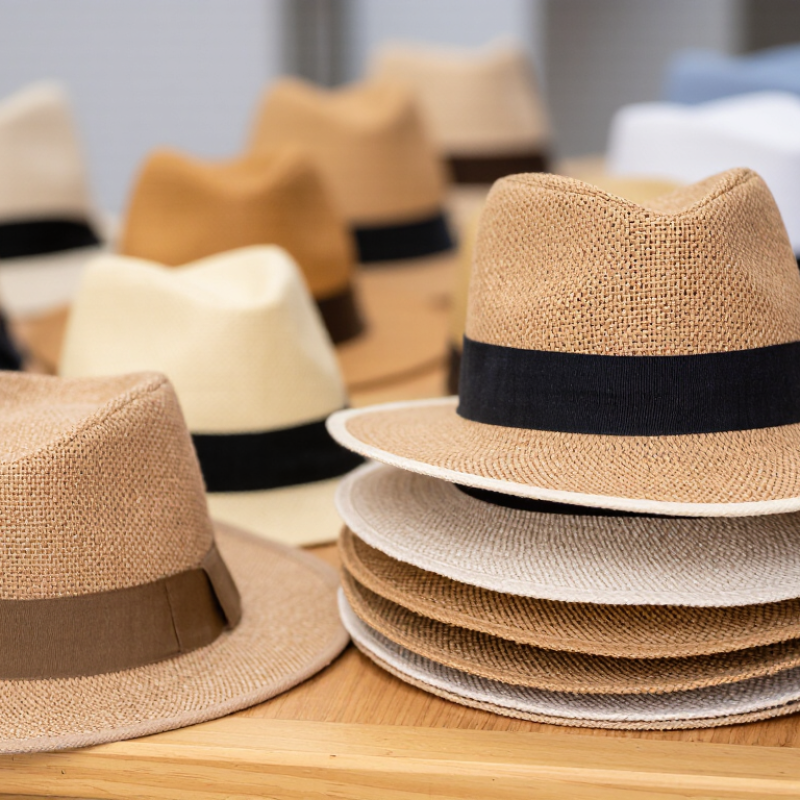
Raffia straw hats are made from fibers taken from raffia palms. Their lightweight feel and flexible weave suit warm, sunny days. The open texture allows air to pass through, while a shaped brim can shade the face and neck. These hats are commonly worn at beaches, outdoor markets, gardens, and summer events. They also work as travel accessories, though tightly packed luggage can crush the brim.
Textile Exchange’s Materials Market Report 2024 estimates that global fiber production reached 124 million tonnes in 2023. This figure covers all fibers, not raffia specifically, so it cannot show raffia’s market share. It does offer useful context: raffia remains a small, specialized material within a much larger fiber industry. When buying in China, check whether the seller identifies the hat’s fiber clearly. Inspect the weave for loose strands, uneven gaps, and rough edges. A tidy finish matters. Still, appearance alone cannot prove durability; ask how the hat handles moisture and storage.
Tips: Request close-up photos of the crown, brim, and inner band. Ask for the brim dimensions and packing method. If possible, inspect a sample in person. A hat can look beautifully even in a photo, then feel stiff or uneven in hand.
Finding Raffia Straw Hats Through Online and Wholesale Channels
Finding Raffia Straw Hats Through Online and Wholesale Channels
Online sourcing makes it easy to compare raffia straw hats from different Chinese suppliers. Look closely at product photos, but ask for close-ups of the crown, brim stitching, and inner band. Natural raffia can vary in color and texture. That variation is normal, though listings do not always show it clearly. Request material details, hat measurements, available styles, minimum order quantities, and production timelines before discussing a bulk order.
Wholesale platforms and supplier websites can help you build a shortlist. A small sample order is useful for checking weave density, comfort, shape, and finishing in person. Ask whether the sample reflects the materials and process used for larger orders. Keep written records of specifications and agreed delivery dates. I once underestimated how much brim stiffness mattered; photos alone did not make it obvious.
Tips: Compare several suppliers, not just prices. Check the return or defect policy, and confirm shipping costs in writing. If details feel vague, pause and ask again. A clear answer matters. Then review the sample under daylight, where uneven color and loose strands are easier to spot.
Assessing Materials, Craftsmanship, and Supplier Reliability
When sourcing raffia straw hats in China, assess the material before judging the finish. Raffia should feel flexible, not brittle, with strands woven closely around the crown and brim. Check several hats, not just the sample: natural fibers vary in shade and thickness. Ask suppliers to identify the fiber composition and provide production samples. A label alone is not proof.
The Textile Exchange Materials Market Report 2024 estimates that global fiber production reached 124 million tonnes in 2023. That broad figure does not measure raffia specifically, but it shows why clear material descriptions matter. Request close-up photos, a written specification, and results from simple checks for color transfer and loose strands. Small details count. One limitation: these checks cannot fully predict how a hat will hold its shape after repeated wear.
Supplier reliability needs its own evidence. The World Bank’s 2023 Logistics Performance Index ranked China 19th, with a score of 3.7 out of 5. This is national logistics context, not a rating of any factory. Confirm lead times, sample approval steps, packing details, and how defects are recorded. Keep these points in writing. I would still leave room for error: a neat sample may not match a rushed bulk order, so inspect production pieces before shipment.
Comparing Prices, Minimum Orders, and Shipping Options
For raffia straw hats, compare China-based hat factories by the details behind each quote, not by unit price alone. Request pricing for the same hat: matching brim width, weave density, lining, sweatband, and packaging. Ask whether the raffia is natural or blended, and request close-up photos plus a pre-production sample. Compare sample charges, tooling fees, and repeat-order prices separately. Small orders cost more. Confirm the minimum order quantity for each color, since mixed-color orders may have different terms. A quote can still mislead.
Shipping can change the real cost. Ask suppliers to quote both air and sea freight, with carton dimensions, gross weight, dispatch time, and named delivery terms. UNCTAD’s Review of Maritime Transport 2024 reports that maritime trade grew 2.4% in 2023, while noting continued disruption risks; it is useful context, not a forecast for one shipment. For a fair comparison, request estimates to the same destination and clarify customs, insurance, and destination charges with your freight provider. Before paying a deposit, verify the factory’s business details, sample quality, and packing list. The cheapest route may not be the simplest.
Where to Buy the Best Raffia Straw Hats in China?
Comparing indicative prices, minimum orders, and shipping options
| Sourcing route | Indicative unit price (USD) | Typical MOQ | Common shipping options |
| Factory-direct supplier | $3–$7 | 100–500 pieces | Sea freight for bulk orders; express for samples |
| Wholesale market vendor | $5–$10 | 10–50 pieces | Express or air freight for smaller orders |
| Trading company | $6–$12 | 20–100 pieces | Sea, air, or express, depending on order size |
| Online wholesale seller | $4–$9 | 20–100 pieces | Express or air freight; sea freight may be available |
The chart shows the midpoint of each indicative price range. These are planning estimates, not verified live supplier quotations; actual prices, MOQs, materials, and delivery times vary by design, order size, destination, and season. Request a current quotation and sample before ordering.