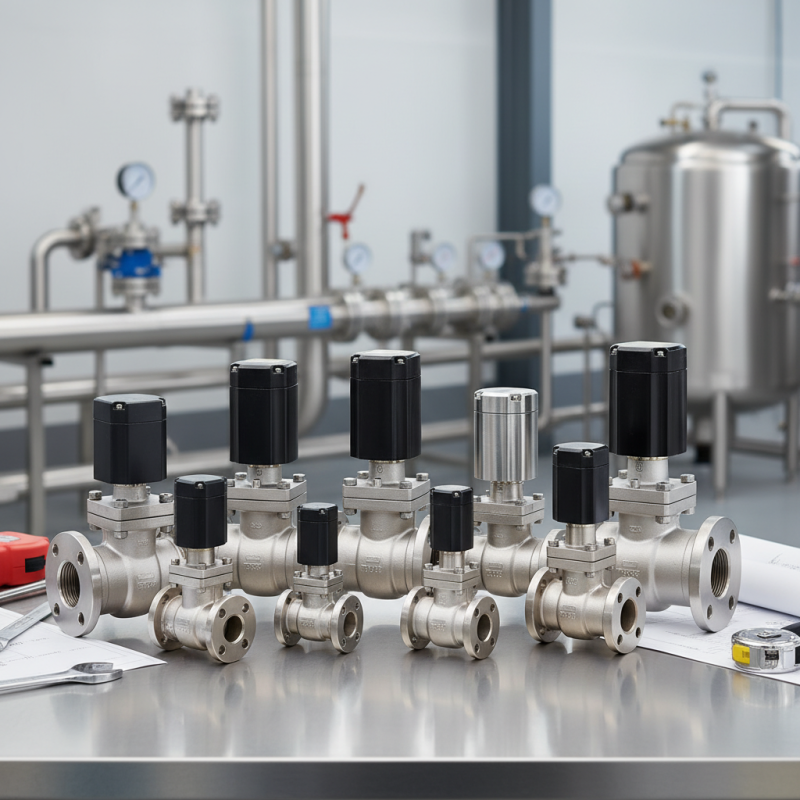
How to Choose the Best High Pressure Electric Ball Valve?
Choosing the right High Pressure Electric Ball Valve can be challenging. These valves play a crucial role in various industries. Their ability to control fluid flow under high pressure makes them essential in manufacturing, oil and gas, and water treatment.
When selecting a High Pressure Electric Ball Valve, understanding the specific requirements of your application is vital. Factors such as pressure ratings, material compatibility, and valve size should guide your decision. Experienced professionals often stress the importance of quality and reliability. A well-chosen valve ensures safety and efficiency in operations.
However, not every valve suits every situation. It's worth considering the long-term costs, maintenance needs, and technical support. Reflecting on these aspects can prevent costly mistakes in the future. Taking the time to evaluate your options will lead to a better outcome.
Understanding High Pressure Electric Ball Valves: A Primer
High pressure electric ball valves are crucial in many industrial applications. These valves control fluid flow with precision and efficiency. Understanding their components helps in making informed choices. They involve an electric actuator and a ball valve mechanism. The actuator drives the valve open or closed. This setup ensures quick response times in high-stakes environments.
When selecting a high pressure electric ball valve, consider various factors. Pressure ratings are vital. Ensure the valve can handle your system's pressures. Also, think about the temperature range. Some valves perform poorly under extreme temperatures.
Material choice is equally important. The right material will resist corrosion. This will prolong the valve's life span. Regular maintenance is essential, yet many overlook it. Neglecting this can lead to failures. Always consult technical specifications and user manuals. This approach fosters reliability in operations. Investing time in understanding these valves will ultimately pay off in system efficiency.
Pressure Ratings of High Pressure Electric Ball Valves
Key Features to Consider When Selecting a High Pressure Electric Ball Valve
When selecting a high-pressure electric ball valve, there are key features to consider. Pressure rating is paramount. Most valves operate between 150 PSI to 6000 PSI. Ensure the valve is rated for your specific application. Ignoring this can lead to failure and costly downtime. Compatibility with media is critical. Different materials handle various fluids and temperatures, affecting valve lifespan. Choosing the wrong material can lead to premature wear.
Electric actuators are another vital aspect. They offer precise control and faster response times. Look for actuators with a minimum cycle life of 1 million operations. Failure to meet this can result in unexpected maintenance. The valve’s size must match piping dimensions. A poor fit can hinder performance and leak risks. Additionally, installation complexity should not be overlooked. Some models require special tools or skills for setup. This could lead to delays and additional costs.
Monitoring features enhance reliability. Some valves come with built-in sensors for flow or pressure, providing real-time data. However, measuring accuracy can vary; manufacturers often provide different specifications. Always consult multiple sources for verification. Design quality also plays a role in durability. Valves should resist environmental factors like corrosion or exposure to heat. It’s essential to weigh these factors to avoid costly mistakes in the selection process.
Evaluating Material Compatibility for High Pressure Applications
When selecting a high-pressure electric ball valve, evaluating material compatibility is essential. High-pressure conditions can stress various materials differently. For instance, stainless steel is commonly used due to its strength and corrosion resistance, but it may not perform well with certain chemicals. Understanding the specific environment these valves will operate in is crucial.
Consider the fluid type and temperature. Some materials can weaken or degrade over time. For instance, plastics like PVC can swell in high temperatures. This impacts their sealing ability. Conduct thorough research on the materials that will be in contact with the fluid. Compatibility ensures longevity and optimal performance.
Testing is also vital. Real-world conditions may reveal unexpected behaviors. For example, a seal that looks good in theory may fail in practice. Regular maintenance and monitoring can help identify issues early. It’s a balance of material choice and practical performance. Always document results and learn from any failures to refine future choices.
Assessing Actuator Types for Optimal Performance
When selecting a high-pressure electric ball valve, understanding actuator types is crucial for optimal performance. Electric actuators come in various forms, including linear, rotary, and spring-return designs. Each type has unique advantages depending on the application. For instance, rotary actuators typically offer faster response times, while linear actuators provide excellent precision for specific tasks.
Tip: Always consider the torque requirements. The size of the valve and required pressure will dictate the actuator's torque. Overestimating these needs can lead to increased costs. Underestimating can cause operational failures.
Quality assurance is essential when assessing actuators. Reliable materials and engineering can improve durability and longevity. Evaluate the manufacturer's standards and certifications. It's also vital to consider the environment where the valve will operate. High humidity or extreme temperatures can affect performance.
Tip: Look for actuators with adjustable features. This flexibility allows operators to adapt to changing conditions, enhancing overall system effectiveness. Not all installations will meet initial expectations. Regular monitoring and adjustments may be necessary to achieve optimal results.
Installation and Maintenance Tips for High Pressure Electric Ball Valves
When selecting high pressure electric ball valves, installation and maintenance are crucial. Proper installation ensures optimal performance. In environments where high pressure is the norm, a secure seal is necessary. A recent report by the International Journal of Pressure Technology notes that improper installation can lead to leakage rates as high as 20%. This statistic emphasizes the importance of having skilled technicians perform the installation.
For maintenance, regular inspections are vital. Components can wear down over time, leading to efficiency losses. Recommendations suggest inspecting valves every six months for signs of wear or corrosion. Lubrication of moving parts can also extend the lifespan of these valves. A study by the Hydraulic Institute highlights that proper maintenance can improve valve life by up to 50%.
**Tips:**
Always use compatible seals and materials. This prevents chemical reactions that can degrade valve integrity. Ensure that electrical connections are checked periodically as well. Loose connections can cause erratic valve performance, complicating operations.