How to Choose the Right Center Bearing for Your Vehicle?
Choosing the right Center Bearing for your vehicle is crucial. The center bearing plays a key role in supporting the driveshaft and ensuring a smooth ride. An improper selection can lead to vibrations, noise, or even damage to your vehicle’s drivetrain.
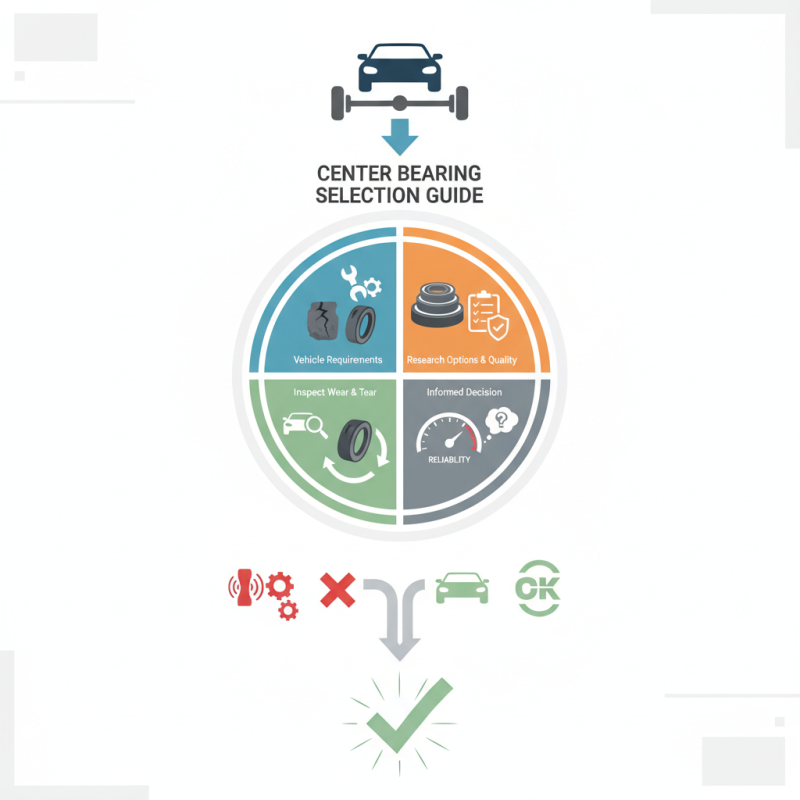
When selecting a center bearing, consider the specific requirements of your vehicle. Different models and makes may have varied specifications. Often, drivers overlook wear and tear on their current center bearing. This can lead to further issues, so paying attention to this component is essential.
Take the time to research available options. Look for quality materials and reputable manufacturers. Sometimes, the best choice may not be the most expensive, but rather the most reliable. Be mindful that mistakes in selection can lead to performance problems down the line. Reflecting on these factors can help ensure you make an informed decision.
Understanding the Role of Center Bearings in Vehicle Performance
Center bearings play a vital role in vehicle performance. They help support the driveshaft, ensuring smooth power transfer from the engine to the wheels. A well-functioning center bearing minimizes vibrations and noise during driving. When this component fails, it can lead to issues such as decreased fuel efficiency and increased strain on other drivetrain parts.
Choosing the right center bearing involves understanding your vehicle's specific needs. It's essential to consider factors like weight, driving conditions, and performance requirements. Some drivers might overlook the importance of this component. However, neglecting it can lead to costly repairs down the road.
When selecting a center bearing, examine its materials and design. A durable bearing can withstand wear and tear better than a subpar option. Pay attention to installation recommendations too. Improper installation may cause early failure. Ultimately, making informed choices about your center bearing can significantly enhance your vehicle's overall performance and longevity.
Identifying Signs of a Worn Center Bearing
A worn center bearing can lead to various issues in your vehicle. It is crucial to identify the signs early. Pay attention to unusual sounds while driving. A persistent humming or grinding noise often signals a problem. If you hear these sounds, it could indicate that the bearing is damaged.
Another sign is vibrations. You may feel them through the vehicle's floor or steering wheel. If these vibrations get worse at higher speeds, your center bearing may need replacement. Additionally, check for any visible wear and tear. Look for cracks or tears in the rubber. This damage can affect the bearing's performance.
Don’t ignore these signs. Delaying repairs can lead to more significant issues, including drivetrain damage. Be proactive. Regular inspections can help catch these problems before they escalate. If you notice any of these symptoms, consider consulting a professional for advice. Your vehicle deserves the best care.
Evaluating Different Types of Center Bearings Available
When choosing the right center bearing for your vehicle, it's crucial to understand the different types available. Each type serves a specific purpose. Generally, you'll find options such as single-piece bearings and two-piece configurations. Single-piece bearings tend to offer a simpler installation, while two-piece bearings can provide better alignment.
Material matters too. Rubber and polyurethane are common choices. Rubber tends to absorb more vibrations, offering a smooth ride. Polyurethane, on the other hand, is stiffer and provides more responsive handling. Some vehicle owners prefer one over the other based on personal experience. However, how well they perform can vary.
Installation can be tricky. A poorly placed bearing can lead to noise or premature wear. It's essential to consider installation techniques and your own skills. Hiring a professional is often safer. Look for detailed guides but be wary. Not all guides are reliable. Many people overlook this aspect, which can lead to regrets later on. Balancing cost and performance is important for a satisfactory choice.
Key Factors to Consider When Selecting a Center Bearing
When selecting a center bearing for your vehicle, several key factors come into play. The right choice can impact performance and safety. Firstly, consider the load capacity of the bearing. It needs to support the driveshaft's weight and any additional torque. An overloaded bearing can wear out quickly.
Additionally, look at the material. Center bearings made from high-quality rubber or polyurethane tend to offer better durability. They also dampen vibrations more effectively. Be mindful of the environment your vehicle operates in; harsh conditions can affect bearing life.
**Tips:** Always compare the specifications of different bearings. It helps to check reviews or forums for insights. Pay attention to installation methods as well; improper setup can lead to premature failure.
Don't overlook the importance of regular maintenance. A bearing that seems fine may still need attention. Check for unusual noises or vibrations during your routine inspections. The right care can extend the life of your new bearing.
Center Bearing Selection Factors
When selecting a center bearing for your vehicle, several key factors play a crucial role in ensuring optimal performance and longevity. This chart illustrates the importance rating of various factors to consider during the selection process.
Installation Tips and Best Practices for Center Bearings
When installing a center bearing, proper alignment is critical. Misalignments can cause vibrations and premature wear. Ensure the bearing is positioned correctly on the driveshaft. Don’t rush this step; take your time to double-check everything. A level surface can make installation easier.
Choosing the right tools is just as important. A basic toolkit will suffice, but ensure you have a torque wrench. Tightening bolts without the correct specifications can lead to failure. This process can be messy. Keep a rag nearby to wipe off grease.
Remember, patience is key. If something doesn’t seem right, step back and reassess. Rushing could lead to mistakes that will cost time and effort later. Be mindful of small details; they can have a big impact. For instance, check if the rubber isolators are intact. Small cracks or wear can signal problems ahead.