How to Choose the Right Cylindrical Gearbox for Your Needs?
Choosing the right Cylindrical Gearbox can significantly impact your machinery's performance. According to recent reports from the Machinery and Equipment Industry, the global cylindrical gearbox market is projected to grow by 4.3% annually. This growth highlights the importance of selecting the correct gearbox for specific applications.
Cylindrical gearboxes are vital components in various sectors, including automotive and manufacturing. Their efficiency and reliability can directly affect productivity. However, many users struggle with selection criteria. Factors such as load capacity, gear ratio, and mounting options play crucial roles. An ill-fitting gearbox can lead to operational issues and increased costs.
It's essential to understand your specific needs before making a choice. The right cylindrical gearbox should not only meet technical specifications but also align with operational goals. Every application is unique, and what works for one may not be suitable for another. Reliable data and expert insights can guide this critical decision.
Understanding the Basics of Cylindrical Gearboxes
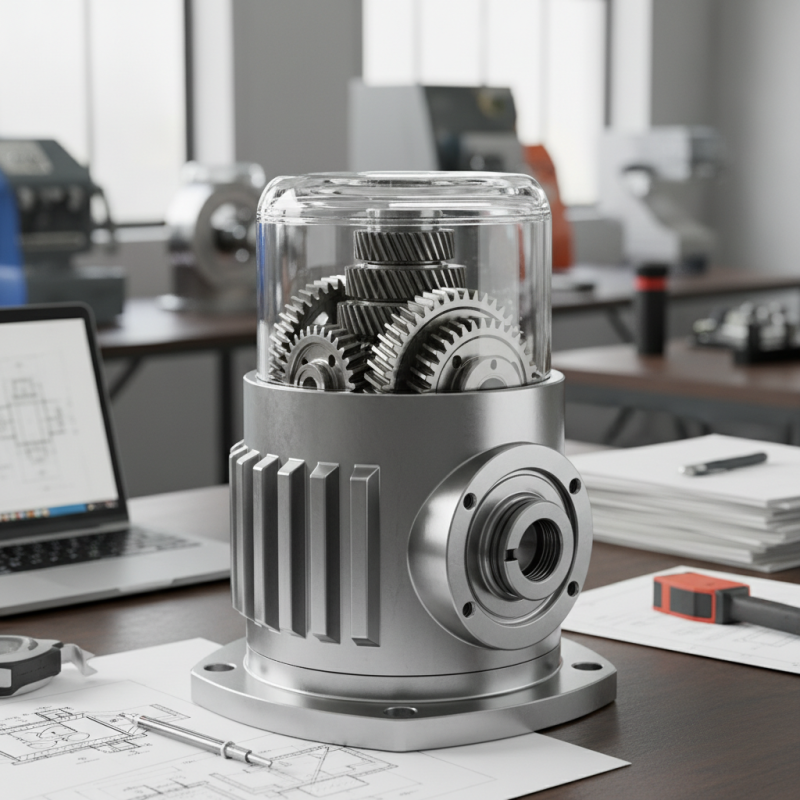
Cylindrical gearboxes play a crucial role in various mechanical applications. Understanding their basics is essential for effective integration into systems. These gearboxes use cylindrical gears to transmit power. They are popular due to their efficiency in torque management. A key aspect is their design, which can vary based on application needs.
The construction of cylindrical gearboxes is typically straightforward. They consist of a casing housing gears that mesh together. This simplicity often translates to reliability. However, one should not overlook the importance of selecting the right material. Materials must withstand operational stresses and environmental conditions. Misjudging this can lead to premature failure and costly downtime.
Performance characteristics are vital when choosing a gearbox. Factors such as load capacity, gear ratio, and efficiency should be evaluated. A mismatch in specifications can affect system performance. Regular maintenance is also often overlooked. Neglecting maintenance can cause inefficiencies and wear over time. Careful consideration of these elements leads to a better-informed choice.
Identifying Your Application Requirements and Constraints
When selecting a cylindrical gearbox, understanding application requirements is crucial. Each application has unique demands. For instance, heavy-duty industrial applications often require gearboxes with a higher torque capacity. According to a recent report by the Gearbox Manufacturers Association, nearly 70% of gearbox failures stem from mismatched specifications. This highlights the importance of accurate identification of requirements.
Consider environmental factors too. Operating conditions such as temperature and exposure to contaminants can impact performance. A study by Engineering for Change revealed that 30% of gearboxes fail due to environmental stress. Proper sealing and material selection are vital in these scenarios. Additionally, knowing the space constraints for installation is essential. Gearboxes come in various sizes, and choosing one that fits your operational layout can prevent issues later.
Budget constraints are another reality to consider. Sometimes, the most durable options exceed financial limits. It’s essential to balance cost with performance. A lighter-duty gearbox might suffice in less demanding scenarios, reducing upfront costs. Still, this might lead to higher maintenance needs or shorter lifespans. Reflect on these factors to make a more informed choice.
Evaluating Gearbox Specifications and Features
Choosing the right cylindrical gearbox requires careful evaluation of its specifications and features. One of the crucial aspects is gear ratio. A high gear ratio allows for increased torque, while a lower ratio enhances speed. Understanding the application helps you determine the optimal gear ratio for your needs.
Another key feature is the type of lubrication. Gearboxes can be oil-lubricated or grease-lubricated. Oil provides better thermal performance, while grease is simpler to manage. Regular maintenance is essential for both types to ensure longevity. Regular checks prevent unexpected breakdowns, which can be costly.
Durability is equally important. The material used in manufacturing impacts the gearbox's lifespan. Metals like steel offer strength, while aluminum is lighter but may not last as long under heavy loads. It’s vital to assess the operating environment. Dust and moisture can shorten a gearbox’s life if not properly addressed. Ultimately, the decision should reflect both current and future operational needs. Balancing these factors can be challenging, but it's necessary for optimal performance.
Comparing Different Types of Cylindrical Gearboxes
When choosing a cylindrical gearbox, understanding the various types available is crucial. Cylindrical gearboxes are typically classified into two main categories: parallel shaft and right-angle gearboxes. Each type offers specific advantages tailored to different applications. According to industry data, parallel shaft gearboxes tend to provide higher efficiency, generally exceeding 95% under optimal conditions. On the other hand, right-angle gearboxes offer versatility, making them suitable for applications with spatial constraints.
Each type comes with distinct performance metrics. For example, parallel gearboxes are known for their high torque capacity, often exceeding 10,000 Nm in heavy-duty applications. However, be aware that higher torque can lead to increased wear and tear over time. Right-angle gearboxes, while providing compact solutions, usually have lower efficiency rates, sometimes dropping below 90% due to the added friction in their design.
Tip: Always consider your specific requirements, including load capacity and space constraints. This will help narrow down the options effectively.
Another factor to evaluate is the gear ratio. Variations in gear ratios can significantly impact speed and torque output. A mismatched ratio may lead to inefficient operation and unexpected failures. According to reports, a correctly tuned gearbox can enhance overall machinery lifespan, but improper selection can lead to operational inefficiencies.
Tip: Regularly reassess your gearbox choice as operational demands evolve. This reflection can prevent performance issues in the long run.
Making an Informed Decision: Cost vs. Performance
Choosing the right cylindrical gearbox requires careful consideration of both cost and performance. It’s vital to align your budget with your specific application needs. Higher performance gearboxes often come with a steeper price tag. However, investing in quality can yield long-term benefits. A low-cost option might seem tempting, but it may lead to increased maintenance and frequent replacements. This trade-off is crucial in making a wise decision.
Performance characteristics such as efficiency, load capacity, and backlash are essential. Higher efficiency translates to lower energy consumption. It correlates with longer operational life, meaning reduced costs over time. Sometimes, a gearbox may initially feel expensive, yet the savings on energy and repairs can justify the price. Understanding your application requirements will help balance these factors effectively. Don't rush the selection process; it's okay to ask for assistance. Always assess the long-term implications of your choice, as these decisions can shape your project’s success.
Cost vs. Performance of Cylindrical Gearboxes