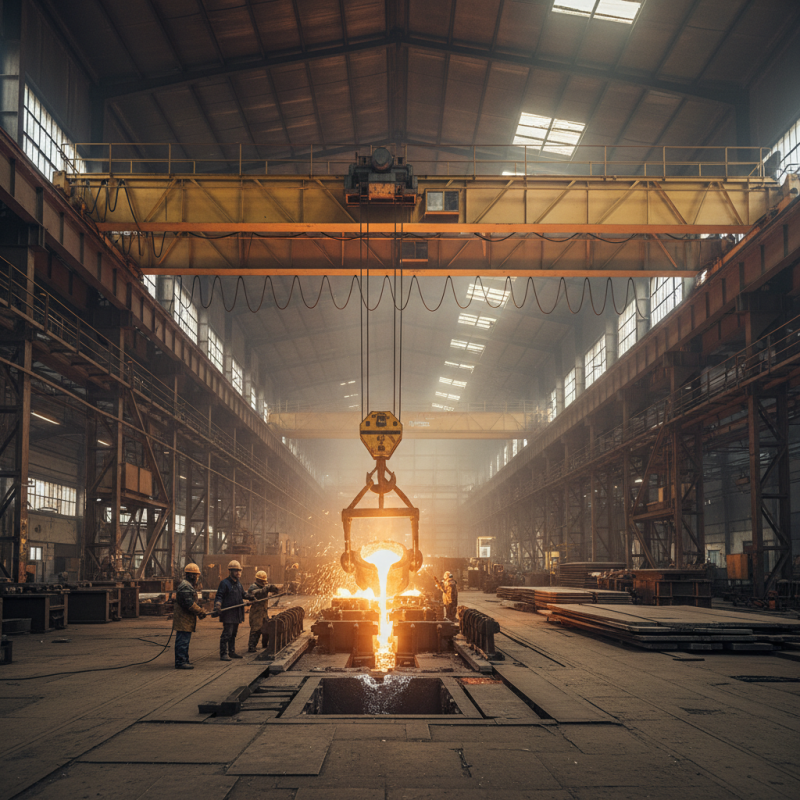
How to Choose the Right Metallurgical Bridge Crane for Your Needs?
Choosing the right Metallurgical Bridge Crane is crucial for efficiency and safety in steel production. These cranes play a vital role in handling heavy materials. They need to fit specific operational requirements to be effective.
When selecting a metallurgical bridge crane, consider the load capacity. Different tasks demand different strengths. You must evaluate your production needs thoroughly. Also, pay attention to dimensions and height clearances. This ensures the crane operates within the designated space without issues.
Finally, remember that the right choice can impact long-term productivity. Some organizations rush this decision, leading to regret later. Take the time to reflect on various factors before making a selection. A well-informed choice often leads to smoother operations and better outcomes.
Key Considerations for Selecting a Metallurgical Bridge Crane
When choosing a metallurgical bridge crane, several key considerations come into play. Start with the load capacity. You need to know the maximum weight your crane will handle. This should match your heaviest materials. If you underestimate, it can lead to problems.
The environment is another crucial factor. Will your crane operate in high heat or around molten metal? Some materials resist temperature better. Also, inspect the space available for the crane. Make sure it fits your facility's layout. A mismatch can cause operational delays.
Tips: Consider the frequency of use. If the crane will be in constant operation, durability should be a priority. Don't overlook the maintenance needs either. A complex design may lead to more downtime.
Lastly, think about your future needs. Your operations may expand, requiring more capacity later. Choosing a crane that offers flexibility can be beneficial. This foresight, however, might require a larger upfront investment. Reflect on your goals to make the right decision.
Understanding Different Types of Metallurgical Bridge Cranes
When selecting a metallurgical bridge crane, understanding the types available is crucial. There are various models, each designed for specific tasks. The primary options include double girder, single girder, and top-running cranes. Each type has unique features suited for different operations.
Double girder cranes offer strength and stability. They are ideal for heavy lifting. These cranes can accommodate larger loads and have higher hook heights. Single girder cranes, on the other hand, are typically lighter and more economical. They are suitable for less demanding tasks but may lack the capacity of their double girder counterparts. Top-running cranes are commonly used in industries for their flexibility in operation.
**Tips:** Choose a crane based on load weight and space limitations. Assess the environment where the crane will operate. It’s important to consider maintenance, too. A poorly maintained crane can lead to safety hazards and costly downtime. Always reflect on your operational needs before making a decision. Take time to evaluate factors such as the type of materials being handled or specific industry requirements.
How to Choose the Right Metallurgical Bridge Crane for Your Needs?
| Type of Crane | Load Capacity (Tons) | Span Length (Meters) | Lifting Height (Meters) | Power Source |
| Single Girder Bridge Crane | 5 | 12 | 6 | Electric |
| Double Girder Bridge Crane | 10 | 20 | 10 | Electric |
| Top Running Crane | 20 | 15 | 8 | Diesel |
| Under Slung Crane | 2 | 8 | 5 | Electric |
Evaluating Load Capacity and Safety Features
When selecting a metallurgical bridge crane, evaluating load capacity and safety features is crucial. Load capacity often determines the effectiveness of the crane. According to industry standards, cranes should have a rated load capacity that exceeds the maximum weight you plan to lift. For example, if you regularly lift 10 tons, consider a crane rated for at least 12 to 15 tons. This safety margin is vital for operational efficiency.
Safety features are equally important. Features such as overload protection and emergency stop functions are essential. Statistics show that more than 50% of crane accidents involve overloading. Ensure the crane has a robust safety system in place. Additionally, look for cranes equipped with limit switches. These prevent the crane from moving beyond its capacity.
Tip: Always verify load testing certifications. This ensures that the crane meets safety standards.
Remember to assess the environment where the crane will operate. Factors such as ambient temperature and humidity can affect performance. Regular maintenance and inspections are necessary but easy to overlook. Stay proactive about equipment checks to avoid accidents.
Tip: Create a maintenance schedule. It helps in identifying issues before they become serious.
Assessing Crane Specifications and Technical Requirements
Choosing the right metallurgical bridge crane is crucial for operational efficiency. Assessing specifications is the foundation of this choice. First, consider the load capacity. Cranes vary widely, so knowing your maximum load is vital. If the crane is under-specified, you risk operational hazards.
Check the span and lifting height as well. A crane with insufficient reach may not serve all areas effectively. Measure your workshop carefully. Small miscalculations can lead to improper crane functions.
**Tip:** Always factor in future needs. What about upcoming projects? You don’t want to outgrow your crane too soon.
Look into the speed of lifting and travel. Slower cranes can hinder production rates. However, overly fast cranes may compromise safety. Aim for a balance that suits your workflow.
**Tip:** Regular maintenance is essential. A well-maintained crane will perform better and safer over time. Check your team’s training as well. A well-trained operator is as important as the crane itself.
Determining Your Budget and Cost-Effectiveness Factors
When choosing a metallurgical bridge crane, determining your budget is vital. The costs can vary significantly based on capacity, span, and features. A recent industry report indicates that the typical price range for a metallurgical crane is between $50,000 to $200,000. This wide range requires careful consideration of your specific needs.
Cost-effectiveness also plays a crucial role. Regular maintenance can add up over time. A study revealed that maintenance expenses can account for 12-15% of the total cost of ownership. Equipment lifespan and efficiency directly influence overall costs. Investing in a crane with better energy efficiency might result in lower operational costs.
Evaluating your budget means weighing initial costs against long-term savings. Sometimes, a less expensive option may lead to higher maintenance and energy bills. It is essential to analyze both upfront and ongoing expenses. Finding the right balance will ensure your choice meets operational demands while remaining financially sustainable.