What is a Slitter Cutter Machine and How Does It Work?
In the world of manufacturing, efficiency is key. The Slitter Cutter Machine is a vital tool in this regard. Expert James Thompson states, “A slitter cutter is essential for precise material processing.” This machine plays a crucial role in slicing large rolls of material into narrower strips. It is widely used in industries like paper, film, and textiles.
Understanding how a Slitter Cutter Machine operates can enhance productivity. It uses sharp blades to cut materials smoothly. Adjustments can be made for different widths, providing flexibility. However, using this machine is not without challenges. Operators must ensure blades are sharp and properly aligned to avoid waste.
Despite its effectiveness, some users may overlook maintenance. Neglecting regular checks can lead to inefficiencies. It's a reminder that even the best machines require care. The Slitter Cutter Machine exemplifies the blend of precision and responsibility in manufacturing processes.
What is a Slitter Cutter Machine?
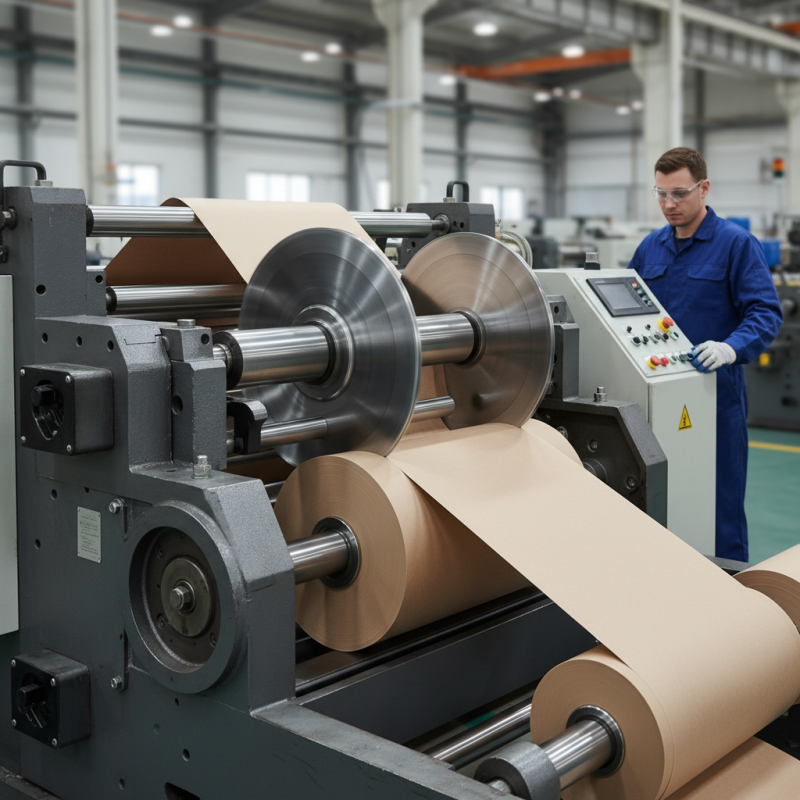
A slitter cutter machine is a crucial tool in various manufacturing sectors. It is designed to cut large materials into narrower strips. Industries such as packaging, textile, and paper rely on slitting to enhance productivity. According to a report by Markets and Markets, the global slitter rewinder market is expected to reach $1.5 billion by 2025. This study underscores the growing importance of precise cutting equipment.
The slitter cutter machine typically uses rotating blades to slice the material. This process allows for clean, accurate cuts, essential for high-quality production. The machines come in different configurations, ranging from manual to automated systems. While many manufacturers embrace technology, not all machines are equally efficient. Some may struggle with inconsistent cuts, leading to waste. In fact, a study indicated that improper settings could increase scrap rates by 20%.
Understanding the mechanics of slitter cutter machines can reveal their strengths and weaknesses. Operators need to monitor blade sharpness and tension. Poor maintenance often results in subpar performance. Additionally, training staff is vital; unskilled operators may face challenges. With a focus on precision and waste reduction, a well-functioning slitter cutter machine is an asset in today’s competitive market.
What is a Slitter Cutter Machine and How Does It Work?
| Dimension | Specification | Function |
| Width Capacity | 1 - 200 inches | Cuts materials into various widths |
| Material Type | Paper, Film, Foil | Processes a variety of materials |
| Cutting Thickness | Up to 0.1 inches | Handles various thicknesses efficiently |
| Speed | 100 - 600 feet/minute | High-speed operation for production |
| Power Requirement | 5 - 15 HP | Requires adequate power supply |
| Applications | Packaging, Labeling, Printing | Widely used in multiple industries |
Components of a Slitter Cutter Machine
A slitter cutter machine is essential in many industries. This machine is designed to cut large rolls of material into narrower strips. It helps in producing smaller rolls that are easy to handle. The efficiency of slitting operations can greatly impact productivity. According to industry reports, nearly 75% of manufacturers cite slitter optimization as crucial for reducing waste.
Key components play a vital role in the machine's operation. The unwind stand holds the large roll securely. It allows for smooth feeding into the cutting area. The slitting knives are precisely aligned to ensure clean cuts. These blades must be periodically replaced to maintain performance. Additionally, the rewinder gathers the newly cut strips into manageable rolls. The tension control system is equally important. It prevents material deformation during cutting, ensuring uniform strips.
Operators need to be trained. Improper handling can lead to inaccuracies. Surprisingly, many overlook regular maintenance checks. This oversight can reduce the machine's lifespan. Ultimately, investing in a high-quality slitter cutter machine pays off in the long run. Understanding each component's function is key to maximizing efficiency and reducing operational issues.
How Does a Slitter Cutter Machine Operate?
A slitter cutter machine is essential in converting materials. It trims large rolls of material into narrower widths. This process is vital for various industries, including packaging and textiles. The machine uses sharp blades to slice through layers of materials like paper, film, and foil. The operation is straightforward but requires precision.
The slitter cutter operates by feeding the material through. Rollers guide the material into place. Blades slice as the material moves forward. Operators must monitor speed and tension. Even slight variations can lead to uneven cuts or waste. Regular adjustments are necessary for optimal performance.
Operators often face challenges during the cutting process. Misalignment of blades can occur, causing defects. Even minor errors in setup can lead to significant material loss. Training and experience play a crucial role in overcoming these issues. Continuous monitoring ensures that the end product meets quality standards. Each cut must be checked for accuracy, which can be time-consuming.
Slitter Cutter Machine Operation Efficiency
Applications of Slitter Cutter Machines in Various Industries
Slitter cutter machines play a crucial role in various industries, optimizing material processing needs. These machines are often used in the packaging sector, primarily for cutting films, paper, and other materials into narrower strips. In the textile industry, slitter cutters efficiently trim large rolls of fabric into desired widths. According to a recent industry report, the demand for slitter cutter machines is increasing by over 5% annually as manufacturers seek efficiency.
In the automotive industry, slitter cutter machines are used for processing insulation materials and foams, enhancing soundproofing features. Their precision allows for minimal waste during material conversion, which significantly impacts cost-effectiveness. Additionally, the food packaging industry benefits greatly from these machines. They ensure that packaging materials are correctly sized, maintaining product freshness. This application alone contributes to over 10% of the slitter cutter machine market.
Tips: Always consider the specific material requirements when selecting a slitter cutter machine. Each industry has unique needs that demand different cutting techniques. Regular maintenance of the cutter blades is essential; dull blades can lead to quality issues in production. Additionally, be mindful of safety practices, as operating slitter cutter machines involves potential risks.
Maintenance and Safety Tips for Slitter Cutter Machines
Slitter cutter machines play a vital role in various manufacturing sectors. Their efficiency, however, depends heavily on proper maintenance. Regular inspections are essential. Check the blades for wear and tear. Dull blades can lead to poor cuts and increased downtime. Operators should also clean the machine daily to remove any residue. Dust and debris can accumulate and hinder performance.
Safety is equally crucial. Always ensure that proper safety gear is worn when operating the machine. This includes gloves and goggles. Keep the work area free of any hazards. A cluttered workspace can lead to accidents. Be mindful of loose clothing or hair that may get caught in the equipment.
Operators need to be trained thoroughly. Understanding the machine's functionality helps prevent misuse. It’s essential to report any unusual noises or vibrations immediately. These could indicate underlying issues. Making sure everyone knows the safety protocols is a shared responsibility. Regular training sessions can reinforce these practices and foster a safe working environment.