China Top Fuel Tank Suppliers for Global Buyers
Choosing the right Fuel Tank supplier can shape a vehicle project’s safety, cost, and delivery schedule. Global buyers often compare Chinese manufacturers for production capacity, competitive pricing, and export experience. Yet a polished catalog proves little by itself. Factory audits, sample testing, and clear technical communication remain essential.
This guide reviews leading China Fuel Tank suppliers for international purchasing teams. It considers manufacturing equipment, material selection, welding quality, leak testing, and quality-control procedures. Buyers may need steel, aluminum, or engineered plastic tanks for trucks, buses, agricultural machinery, and specialized vehicles. Each application brings different pressure, corrosion, capacity, and installation requirements. Practical suppliers should provide drawings, inspection records, traceability details, and responsive after-sales support.
Details matter most.
A dependable supplier should understand international documentation, packaging protection, and shipment planning. Certifications can support credibility, but buyers should verify their scope and validity. Independent inspections may reveal weak welds, inconsistent dimensions, or poor surface treatment before mass production begins. That step can prevent expensive delays at the destination port. Still, no supplier suits every project. Pricing may look attractive while tooling, testing, or customization costs remain unclear. This guide therefore encourages careful comparison, direct factory communication, and written agreements. The recommendations are intended to support informed decisions, not replace professional engineering review. Some supplier information may change over time, so responsible buyers should recheck production capability, compliance evidence, and current export performance before placing an order.
Types of Fuel Tanks Supplied by Chinese Manufacturers
Chinese manufacturers supply several fuel tank types for vehicles, generators, machinery, and industrial equipment. From project reviews, I see buyers often begin with capacity, but installation space matters just as much. Fit comes first. Common vehicle tanks use coated steel, aluminum, or molded high-density polyethylene. Steel handles impact well and suits many commercial vehicles. Aluminum reduces weight and resists corrosion when properly finished. Polyethylene tanks offer flexible shapes and strong chemical resistance, but temperature exposure needs careful evaluation.
For standby generators, manufacturers commonly produce integrated day tanks, base tanks, and separate bulk storage tanks. Day tanks support controlled fuel delivery, while base tanks combine storage with equipment foundations. Larger industrial tanks may use welded steel with internal coatings, level gauges, vents, access ports, and leak-detection features. Some suppliers also build custom tanks for marine equipment and agricultural machinery. The correct choice depends on fuel type, operating temperature, pressure, mounting method, and required service life.
Reliable sourcing requires more than checking a product photograph. Ask for material certificates, weld inspection records, pressure or leak-test results, dimensional drawings, and documented quality procedures. Experienced factories should explain wall thickness, baffle placement, fittings, and corrosion protection clearly. They should also confirm testing against applicable regional standards. Customization is useful, but it can create unnoticed weak points around openings and welded joints. I have found that a cheaper tank may become expensive after installation changes, repeated cleaning, or premature coating failure. Careful drawings and sample approval reduce that risk.
Key Standards for Evaluating China’s Fuel Tank Suppliers
China Top Fuel Tank Suppliers for Global Buyers
Key Standards for Evaluating China’s Fuel Tank Suppliers
A reliable supplier should provide more than attractive pricing and polished product photos. Review material grades, wall thickness, welding methods, and corrosion protection. For steel tanks, inspect certificates for the actual batch supplied. For plastic tanks, ask about resin type, UV resistance, and fuel compatibility. Small details matter.
Leak testing deserves close attention. Ask whether every tank receives pressure, vacuum, or immersion testing. Request sample test records showing pressure levels, holding time, and rejection criteria. A qualified factory should explain its process clearly. It should also identify applicable ISO, ASTM, EN, SAE, or destination-market requirements. Requirements vary by tank design and application. Never accept a certificate without checking its scope and issue date.
Traceability is another practical measure. Each tank should connect to a production date, material lot, operator, and inspection result. Factory audits can reveal storage problems, inconsistent weld beads, or poorly protected fittings. I have found that clean workshops do not always produce consistent batches. That is worth remembering. Ask for pre-shipment inspection rights, dimensional reports, packaging details, and replacement procedures. Supplier experience should appear in records, not only in sales claims. Clear drawings, controlled revisions, and responsive technical communication also indicate professional capability. A supplier may meet one standard yet still miss your installation tolerances. Verify the details before approval.
Manufacturing Processes and Quality Control in China
China Top Fuel Tank Suppliers for Global Buyers
Manufacturing Processes and Quality Control in China
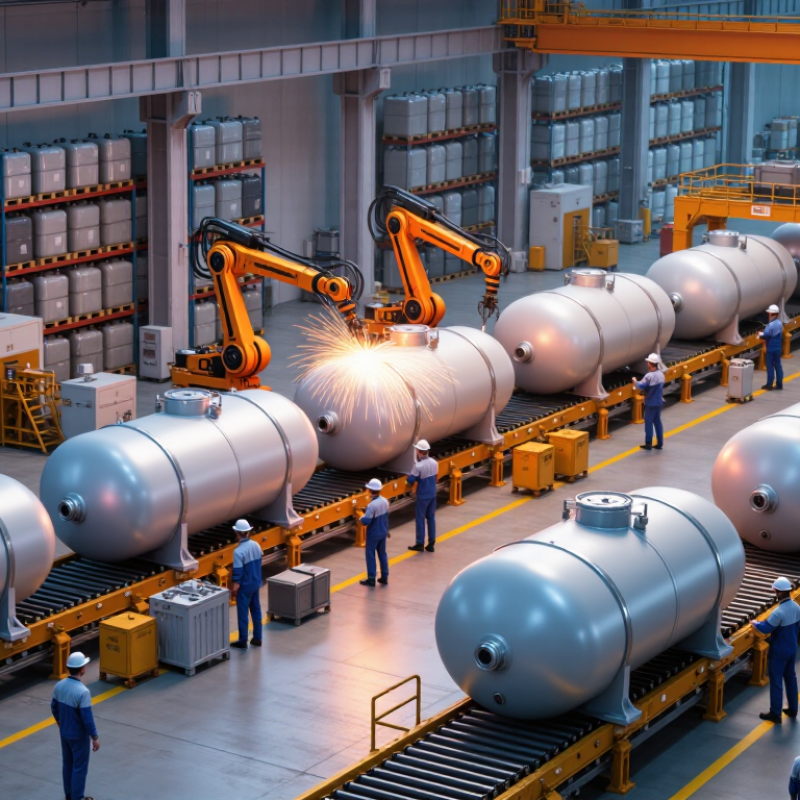
China produced about 30.16 million vehicles in 2023, according to the China Association of Automobile Manufacturers. This scale supports mature fuel tank manufacturing, but output alone does not prove reliability. Suppliers commonly use high-density polyethylene blow molding or stamped steel forming. Mold temperature, wall thickness, and welding pressure require continuous monitoring. A small variation can create stress around the filler neck.
The process should include incoming material checks, mold calibration, leak testing, and dimensional inspection. Many factories use air-pressure tests, helium detection, or water-bath testing to identify pinholes. Coordinate measuring machines verify mounting points against approved drawings. Production records should link each tank to material batches and inspection results. That detail matters during field complaints.
International buyers should request evidence of quality systems based on ISO 9001 and applicable UNECE Regulation No. 34 requirements. Test reports should show pressure, vibration, impact, and permeability results. China’s large production base is useful. It can also hide uneven process discipline. A polished sample is not enough. During an audit, inspect rejected parts, not only finished goods. Ask how operators handle an out-of-tolerance weld. Some suppliers still rely too heavily on manual judgment, which deserves careful review.
China Fuel Tank Manufacturing Processes and Quality-Control Priorities
The chart presents a reference control-intensity model for common fuel-tank production stages, including material inspection, forming, welding or bonding, leak testing, dimensional inspection, and final traceability. Leak testing and joining-process control receive the highest priority because fuel-system integrity depends on preventing leakage and maintaining consistent weld or bond quality.
How Global Buyers Can Select a Reliable Supplier
China Top Fuel Tank Suppliers for Global Buyers
How Global Buyers Can Select a Reliable Supplier
Selecting a reliable fuel tank supplier requires more than comparing quotations. In supplier audits, I examine production records, welding areas, material storage, and final inspection procedures. A clean workshop helps, but it does not prove consistent quality. Ask for material certificates, dimensional reports, and leak-test records from recent orders. Check whether each document matches the actual tank model.
Technical communication matters just as much. A capable supplier should review drawings, mounting points, fuel compatibility, wall thickness, and operating temperature before production. They should identify design risks instead of accepting every request without discussion. Request a prototype or pre-production sample. Inspect weld beads, surface treatment, fittings, and protective packaging. Small details often create costly problems during installation. Unfortunately, some buyers focus too heavily on the lowest unit price.
Reliable suppliers usually provide traceable batch numbers and clear corrective-action reports. Confirm their ability to meet destination-country standards through current test evidence, not attractive website statements. An independent inspection can verify dimensions, capacity, leakage performance, and packaging before shipment. It adds cost. It may prevent larger losses.
Communication after delivery also deserves attention. Ask who handles technical questions, replacement parts, and transport damage claims. Test response times before signing a contract. A supplier that answers clearly during evaluation may still perform poorly under pressure. That possibility deserves honest consideration. Combine factory visits, document reviews, sample testing, and realistic payment terms before making a final decision.