What Are the Top Types of Electrical Film?
Electrical Film is a broad term for thin insulating materials used in motors, transformers, capacitors, cables, and electronic assemblies. The right film can help separate conductors, resist heat, and support reliable operation. Yet no single material suits every design. A film that performs well in a compact capacitor may not be the best choice around sharp edges or repeated flexing.
Common types include polyester, polypropylene, polyimide, polyethylene naphthalate, and fluoropolymer films. Polyester is often selected for general electrical insulation and dimensional stability. Polypropylene is widely used in film capacitors, where low dielectric losses can matter. Polyimide is valued in applications that face elevated temperatures. Fluoropolymer films can offer useful chemical and thermal resistance, though cost and processing needs deserve attention. Names alone do not tell the whole story.
Details matter. A thin sample may look smooth and uniform under workshop lighting, but its thickness tolerance, dielectric strength, temperature rating, and surface condition can shape real-world performance. Check the manufacturer’s technical data and test conditions before comparing products. Also consider humidity, voltage, mechanical stress, and the way the film will be cut or laminated. Small gaps can matter.
This guide explores the leading Electrical Film types and the properties that distinguish them. It offers a practical starting point, not a substitute for application-specific testing. Some product descriptions can be confusing, and ratings are not always directly comparable. That is worth questioning. When requirements are uncertain, consult a qualified materials or electrical engineer and validate the choice under realistic operating conditions.
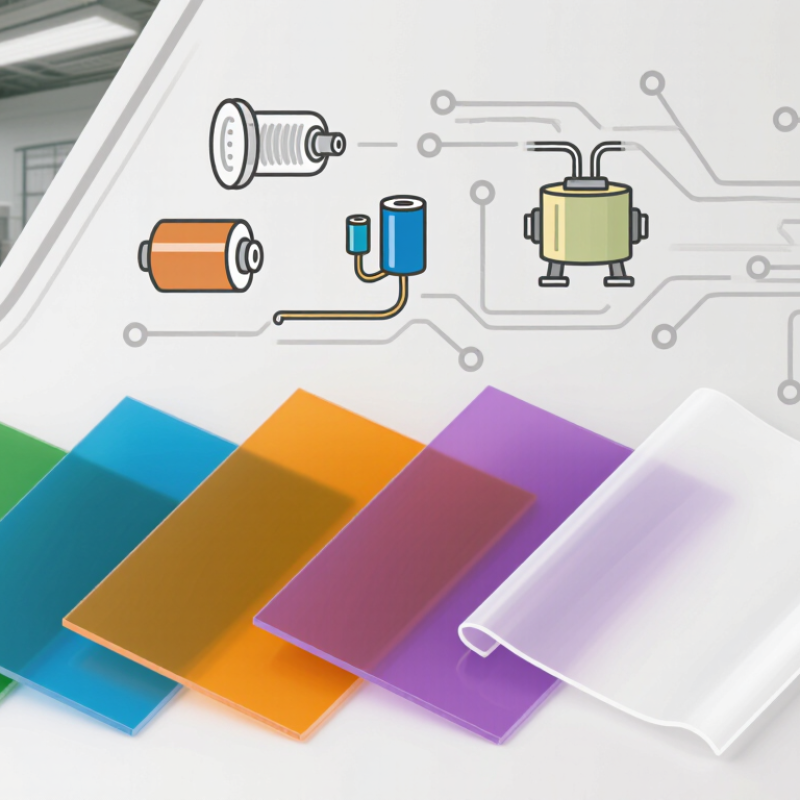
Electrical Film: Definition and Role in Electrical Insulation
Electrical film is a thin dielectric sheet placed between conductors or between a conductor and a grounded surface. It helps prevent current leakage, short circuits, and premature component failure. In motors, transformers, capacitors, and batteries, the film may wrap a winding, separate layers, or line a narrow slot. Polyester film is commonly used for general-purpose insulation; polyimide suits applications exposed to higher temperatures. The right choice depends on voltage, heat, moisture, abrasion, and available space.
Its role is practical, not decorative. A tiny nick at a sharp metal edge can weaken insulation, while an overly thick layer can limit cooling or make a winding harder to assemble. The U.S. Department of Energy’s Improving Motor and Drive System Performance sourcebook reports that motor-driven systems account for about 69% of electricity used in U.S. industry. That figure underscores why reliable motor insulation matters, though film alone cannot determine efficiency. IEC 60085 classifies electrical insulation systems by thermal class, helping engineers assess heat endurance. In real equipment, temperature, vibration, and handling all matter. Lab ratings are useful, but they do not capture every installation flaw. It is worth checking the finished assembly, not just the film datasheet.
Polyester and Polypropylene Films for General Electrical Use
Polyester and polypropylene films are common choices for general electrical insulation and capacitor construction. Polyester film is often selected when a compact, mechanically tough layer is useful. It handles winding and assembly well, which matters when thin sheets pass over rollers or sit between closely packed components.
The difference matters.
Polypropylene film generally offers low dielectric loss and performs well in many AC capacitor applications. It can suit designs where energy loss and heating need careful control. Polyester may be preferred when temperature tolerance or dimensional stability is important, depending on the grade and construction. Neither material is best in every assembly.
Not always.
Actual performance depends on film thickness, voltage stress, temperature, humidity, and edge quality. A clean surface is not enough; folds, trapped particles, or uneven winding can weaken insulation. Engineers should review material data and test finished parts under realistic operating conditions.
That step is easy to underestimate.
Properties can also shift with processing and aging, so an older specification may need another look. In practice, choosing between polyester and polypropylene involves trade-offs, and testing may challenge the initial choice.
Polyimide Films for High-Temperature Applications
Polyimide Films for High-Temperature Applications
When electrical insulation sits beside a hot winding, ordinary films can soften, shrink, or lose reliability. Polyimide film is used in motor slot liners, transformer insulation, and flexible circuits because it retains useful electrical and mechanical properties at elevated temperatures. IEC 60085:2007 includes a 220°C thermal class, but that figure applies to an insulation system—not automatically to every standalone film. A useful distinction. ASTM D5213 also sets specifications for polyimide film used in electrical insulation.
Picture a thin amber layer wrapped around a copper coil, with heat rising during operation. The film must tolerate temperature, voltage stress, bending, and contact with other materials. IEC 60216-1:2013 describes methods for evaluating thermal endurance, which helps engineers assess aging rather than rely on a single peak-temperature claim. I would not treat any rating as a promise: thickness, processing, humidity, and the surrounding insulation system can change real performance. Polyimide can also be harder to process than simpler films, so testing the actual assembly matters. A small detail, often overlooked.
Other Electrical Films: PTFE, PVC, and Polycarbonate
What Are the Top Types of Electrical Film?
Other Electrical Films: PTFE, PVC, and Polycarbonate
PTFE, PVC, and polycarbonate films serve different electrical insulation needs. PTFE handles heat and many chemicals well, making it useful around demanding components. It also has a low-friction surface. That can make bonding difficult, so check how the film will be secured before choosing it. PVC is often flexible and practical for wire wraps and insulating barriers. Its heat tolerance depends on the formulation, and some grades can stiffen as they age.
Polycarbonate film is tough and dimensionally stable, with clear grades that suit applications where visibility matters. It can protect a control panel while allowing labels or indicators to remain visible. Still, clarity alone does not make a film suitable for electrical insulation. Thickness, dielectric properties, temperature, and exposure to moisture all matter. A film that performs well in a dry enclosure may behave differently near heat or repeated flexing. That detail is easy to overlook.
Tips: Match the film’s rated temperature and dielectric strength to the actual operating conditions. Ask for the datasheet, then test a sample in the intended assembly. Check edges and bends, not just flat surfaces. Small gaps can matter. If the installation environment is uncertain, reassess the choice rather than relying on a material name alone.
What Are the Top Types of Electrical Film?
Indicative upper continuous-use temperatures for common electrical film materials.
PTFE typically tolerates the highest temperatures, followed by polycarbonate and PVC. Values are representative, not universal; actual limits depend on grade, formulation, and use conditions.
How Film Properties Determine Electrical Applications
What Are the Top Types of Electrical Film?
How Film Properties Determine Electrical Applications
Electrical films are chosen for what they must withstand, not just for their material names. Polyester film offers useful dielectric strength, dimensional stability, and moderate heat resistance. It is common in capacitors, insulation layers, and flexible circuits. Polyimide handles higher temperatures, making it suitable near hot components or in compact assemblies. It usually costs more, so its heat tolerance should solve a real design need.
Polypropylene has low dielectric loss and performs well in many capacitor applications. Its limitations include lower temperature tolerance than some alternatives. PVC film can provide flexible insulation, but its temperature range and electrical properties vary by formulation. Always check the grade and datasheet. “Electrical film” is not one uniform product.
Thickness, moisture exposure, and operating temperature all affect performance. A film that works in a dry control cabinet may not suit a humid motor enclosure. Dielectric strength also depends on test conditions and film thickness, so one headline number cannot tell the whole story. A common design mistake is assuming thinner film is always better; it may save space but reduce insulation margin. Test the film in the intended assembly, with realistic heat and voltage conditions. Small differences matter. An edge may wrinkle, or an adhesive layer may change the result. Specification sheets help, but real-world validation still matters.