Choosing China’s top Instrumentation Valves suppliers requires more than comparing prices or browsing product catalogs. Engineers must examine pressure ratings, wetted materials, seat design, leakage performance, and traceability. A valve may look polished online yet fail during repeated isolation cycles. That difference matters in chemical plants, oil and gas facilities, power stations, and precision process lines.
Béla G. Lipták, a respected instrumentation engineer and editor, wrote, “The purpose of measurement is to reduce uncertainty.” His point applies directly to valve selection. Reliable Instrumentation Valves should control uncertainty around pressure, flow, contamination, and maintenance intervals. Strong Chinese suppliers usually provide material certificates, hydrostatic or helium testing records, dimensional drawings, and clear quality procedures. Their experience with stainless steel 316L, alloy materials, double-block designs, and high-pressure service also deserves close review.
This article examines leading Chinese suppliers through practical criteria rather than unsupported rankings. It considers manufacturing capability, engineering support, international certifications, delivery consistency, customization, and after-sales response. Factory visits and sample testing can reveal more than promotional claims. Small details matter, including clean threads, smooth stem movement, protected sealing surfaces, and readable markings.
No supplier is perfect. Even an established manufacturer may struggle with communication, documentation, or urgent replacement orders. That weakness should not be ignored. Buyers should compare several vendors, request verifiable records, and confirm performance under actual operating conditions. The best choice is not always the cheapest one. It is the supplier that delivers dependable valves, transparent evidence, and support when the process cannot stop.
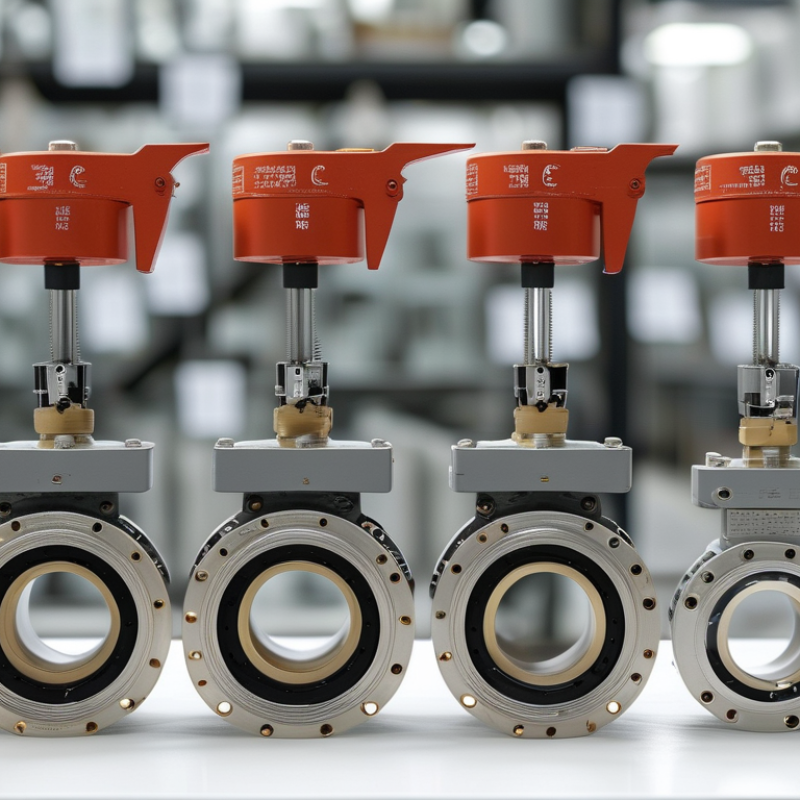
Instrumentation valves are compact control components used in measurement systems. They isolate, regulate, or redirect process fluids and gases. Their work may seem simple. It is not.
A valve can connect a pressure transmitter to a process line through small-bore tubing. During maintenance, technicians close the isolation valve before removing the instrument. A bleed valve then releases trapped pressure safely. Manifold valves can also combine isolation and calibration functions in one assembly. This reduces connection points and potential leakage. In chemical plants, refineries, power stations, and water facilities, correct valve selection protects measurement accuracy and equipment reliability.
Material compatibility matters. Stainless steel suits many corrosive or high-pressure applications, but not every process. Temperature, pressure, fluid composition, tubing size, and sealing method require careful review. A supplier should provide traceable material records, pressure-test results, dimensional drawings, and clear inspection procedures. Reliable manufacturers also control machining quality and check threads, seats, and stem movement before shipment. These details often separate a dependable component from a cheap replacement.
Field teams sometimes focus too heavily on purchase price. That assumption is risky. A minor seat defect can cause a slow leak, inaccurate readings, or repeated shutdown work. Yet specifications are not always perfect; operating conditions may change after installation. Engineers should revisit valve choices during commissioning and maintenance reviews. Small details deserve attention.
When buyers compare China’s top instrumentation valve suppliers, standards matter more than polished catalogs. Grand View Research valued the global industrial valves market at USD 78.1 billion in 2023. It forecasts a 4.5% CAGR from 2024 to 2030. That growth increases competition, but not necessarily manufacturing discipline. The better question is simple: can each valve perform under measured pressure, temperature, and cycling conditions?
High-quality instrumentation valves should reference ASME B16.34 for pressure-temperature design and ISO 5208 for pressure testing. ISO 15848-1 is important where fugitive-emission control matters. IEC 61508 may apply to safety-related valve functions. Look for 316L stainless steel, controlled surface finish, low operating torque, and reliable stem packing. Request heat numbers, material certificates, calibration records, and test curves. EN 10204 type 3.1 documentation strengthens traceability. Small details matter.
Fortune Business Insights reports that the industrial valves market reached USD 79.17 billion in 2023, creating many competing supplier claims. A capable supplier should explain cleaning, particle control, and assembly procedures for instrument service. Field inspections often find leakage near fittings, threads, or contaminated seats. No certificate replaces a bad installation. This is uncomfortable, but important: a low price may hide inspection gaps, while an expensive valve may lack application evidence. Ask for witnessed tests, repeatability data, and references from similar pressure classes. Then check whether documents match the serial number.
What Are China Top Instrumentation Valves Suppliers?
Leading China-Based Instrumentation Valve Suppliers
China-based instrumentation valve suppliers serve chemical processing, energy, pharmaceutical, and water-treatment projects worldwide. Their products commonly include needle valves, manifold valves, tube fittings, and pressure regulators. These components control fluids around transmitters, gauges, and analytical instruments.
The global industrial valves market was valued at about USD 76.7 billion in 2023, according to Fortune Business Insights’ Industrial Valves Market report. The same report projects continued growth through 2032. Instrumentation valves represent a smaller specialist segment, but their importance is high. A tiny leakage can distort pressure readings, reduce safety margins, or stop a production line. Experienced buyers should examine material certificates, pressure ratings, seat design, and traceability. ISO 9001 certification helps, but it does not replace factory audits or sample testing. That point is often overlooked.
Tips: Request drawings, test records, and clear delivery terms. Compare equivalent specifications, not only prices. Ask whether stainless steel grades match the process medium and temperature. Check machining quality under magnification. Small burrs can damage sealing surfaces. Suppliers with export experience should explain inspection stages, packaging, and spare-part support. Data from the International Trade Centre can also help buyers review China’s valve export trends and destination markets. Still, trade data covers broad valve categories, not instrumentation valves alone. Buyers should treat it as market context, not proof of technical performance. A careful supplier review remains necessary.
| Supplier Capability Category | Typical Product Scope | Common Valve Types | Typical Size Range | Typical Pressure Range | Common Materials | Applicable Standards | Typical Applications | Key Evaluation Factors |
|---|---|---|---|---|---|---|---|---|
| General Instrumentation Valve Manufacturer | Standard valves for pressure, temperature, flow and level measurement systems | Needle valves Ball valves Manifolds | Typically 1/8 to 2 in. connection sizes | Commonly up to 6,000 psi for compact instrumentation designs | 316/316L stainless steel, carbon steel, brass and alloy steel | ASME B16.34, MSS SP-99, ISO 9001 quality systems | Process transmitters, gauges, impulse lines and sampling systems | Material traceability, pressure testing, dimensional consistency and delivery capacity |
| High-Pressure Instrumentation Valve Specialist | Compact valves designed for high-pressure gas, liquid and hydraulic service | High-pressure needle valves Check valves Bleed valves | Typically 1/8 to 1 in. tubing or threaded connections | Commonly 6,000 to 10,000 psi; higher ratings require application-specific verification | 316 stainless steel, duplex stainless steel, alloy steel and nickel alloys | ASME B16.34, API 598 and manufacturer pressure-rating procedures | Hydraulic control systems, test benches, gas distribution and energy equipment | Pressure-temperature rating, leak rate, seat design, cycle life and test documentation |
| Instrumentation Manifold Manufacturer | Integrated valve assemblies that reduce tubing, fittings and potential leak points | 2-valve manifolds 3-valve manifolds 5-valve manifolds | Designed for direct mounting to differential-pressure transmitters and related instruments | Commonly 3,000 to 6,000 psi, depending on configuration and materials | 316/316L stainless steel, carbon steel and special corrosion-resistant alloys | ASME B16.34, MSS SP-99 and applicable instrument-interface requirements | Flow, pressure and differential-pressure measurement assemblies | Port alignment, mounting compatibility, internal passage design and hydrostatic testing |
| Process Ball and Control Valve Supplier | Valves for isolation, throttling and automated process control | Floating ball valves Trunnion ball valves Globe control valves | Small-bore instrument valves through larger process-line sizes | Typically ANSI Class 150 to Class 600 for many process applications | Carbon steel, stainless steel, duplex steel, PTFE and reinforced polymer trim | ASME B16.34, ASME B16.5, API 598, IEC 60534 for control-valve applications | Oil and gas, chemical processing, water treatment and power generation | Flow coefficient, shutoff class, actuator compatibility, emissions performance and service life |
| Sanitary Instrumentation Valve Manufacturer | Hygienic valves and fittings for clean-process environments | Sanitary ball valves Diaphragm valves Sampling valves | Commonly 1/2 to 4 in. sanitary tubing sizes | Often designed for low- to medium-pressure clean-process service | 316L stainless steel, sanitary elastomers and polished wetted components | 3-A Sanitary principles, ASME BPE practices and hygienic design requirements | Food and beverage, pharmaceutical, biotechnology and clean-water systems | Surface finish, drainability, clean-in-place capability, elastomer compatibility and weld quality |
| Corrosion-Resistant Alloy Valve Supplier | Valves selected for aggressive, chloride-rich, acidic or high-temperature media | Needle valves Ball valves Check valves | Generally small-bore instrumentation sizes, with larger sizes available by project | Application-dependent; rating is determined by material, temperature and design | Duplex steel, super duplex steel, 6Mo, Hastelloy-type alloys and nickel alloys | ASME B16.34, NACE MR0175/ISO 15156 where sour-service requirements apply | Offshore systems, marine equipment, chemical plants and desalination facilities | Corrosion resistance, alloy verification, sour-service compliance and positive material identification |
| OEM and Custom-Configuration Supplier | Private-label-free, project-specific or drawing-based valve assemblies without displaying brand information | Custom manifolds Special ports Panel assemblies | Configured according to drawings, instrument interfaces and piping requirements | Specified by the project design basis and applicable pressure class | Selected according to fluid chemistry, temperature, pressure and corrosion conditions | Customer specifications plus relevant ASME, API, IEC, ISO or NACE requirements | Skid packages, analytical systems, laboratory equipment and engineered projects | Drawing control, sample approval, change management, inspection plans and after-sales support |
| Export-Oriented Instrumentation Valve Supplier | Products prepared for international procurement, documentation and multi-market shipment | Threaded valves Tube-end valves Flanged manifolds | Metric and imperial connection options, subject to product series | Published ratings should be verified against temperature, media and connection type | Stainless steel, carbon steel, brass and engineered sealing materials | ASME, API, ISO, IEC and regional product requirements as specified by the buyer | International EPC projects, distributors, maintenance stock and replacement programs | Export packaging, certificates of conformity, test reports, spare parts and technical communication |
What Are China Top Instrumentation Valves Suppliers?
How to Compare Chinese Instrumentation Valve Manufacturers
China has many instrumentation valve manufacturers, but low price alone proves little. A useful comparison starts with service conditions, traceability, and testing discipline. According to Mordor Intelligence, the global industrial valves market was estimated at about USD 78.5 billion in 2024. Its forecast suggests continued growth through 2029. This pressure attracts capable factories and weaker imitators.
Check whether each manufacturer provides material certificates, pressure-test records, and batch traceability. Ask for the exact steel grade, seat material, pressure class, and operating temperature. For severe service, review compliance with ISO 5208, API 598, or relevant project specifications. Factory audits should examine machining areas, assembly cleanliness, calibration records, and final inspection procedures. A polished showroom is not enough. It can mislead.
Tips: Request three identical sample valves, not one perfect sample. Compare leakage results, stem torque, surface finish, and packaging quality. Review independent inspection reports when the application is critical. Also examine lead times carefully. A 2024 report from MarketsandMarkets identifies process industries, including oil, gas, and chemicals, as major drivers of valve demand. Those sectors usually require reliable documentation, not just fast delivery. One detail is often missed: after-sales response. Ask who handles a failed actuator interface or a damaged seal. Some suppliers answer quickly before payment, then become strangely quiet. That warning deserves attention.
A practical comparison should begin with verifiable technical capability rather than brand visibility. The chart below shows approximate pressure ratings commonly referenced for ASTM A216 WCB valve bodies at 100°F under ASME B16.34. Buyers can use these standardized values to check whether a supplier’s design, testing, and documentation match the required service class.
Actual allowable pressure depends on body material, temperature, valve design, end connection, and applicable standards. When comparing manufacturers, request material certificates, pressure-test records, fugitive-emission documentation, dimensional drawings, and traceability records for the specific product configuration.
Selecting instrumentation valves requires more than comparing prices. Different industrial applications demand different materials, pressure ratings, and control methods. For chemical processing, corrosion-resistant alloys or lined components may protect against aggressive media. Oil and gas systems often require reliable sealing under high pressure. Water treatment usually favors simple maintenance and strong resistance to moisture.
Check manufacturing experience, testing procedures, and traceability records before choosing a supplier. A dependable supplier should provide pressure-test reports, material certificates, dimensional drawings, and clear product specifications.
Confirm whether the valves suit your medium, temperature range, connection type, and installation space. Field experience matters here. A valve that works well in a clean laboratory may fail beside a vibrating pump.
Ask for samples when practical. Review failure data, not only brochures. Verify response times for technical support and spare parts. Suppliers with inspection systems and trained engineers are generally safer choices. Still, documentation can look complete while practical support remains weak. That point deserves careful checking.
For harsh environments, examine seat materials, actuator compatibility, and corrosion protection. For precise flow control, evaluate response accuracy and repeatability. For compact instrument panels, low leakage and easy access may matter more than maximum pressure. Independent inspection can reduce uncertainty, especially for critical installations. I would not select a supplier from certificates alone; site conditions, maintenance habits, and operator skill can change the result.