Why Is a PRV Valve Important for Your System?

A pressure problem rarely announces itself politely. A gauge needle climbs, a pump strains, or a pipe begins to vibrate. In a closed system, excess pressure can damage equipment and interrupt operations. A Prv Valve helps manage that risk by opening at a set pressure and releasing fluid or gas through a designed outlet. It is a small component with a serious job.

Its protection depends on more than the valve itself. The selected pressure setting must suit the system, and the valve’s capacity must match the possible flow. Installation, discharge routing, and regular inspection also matter. A valve that is blocked, incorrectly sized, or poorly maintained may not respond as expected. That detail is easy to overlook. It should not be.

This guide explains why a PRV matters, how it supports safer and more reliable operation, and what to consider when choosing and maintaining one. System conditions differ, so no single valve suits every application. Even a familiar setup deserves a second look: pressure ratings, operating temperatures, and fluid characteristics can change over time. Understanding those factors helps operators make better decisions and spot warning signs before a minor pressure issue becomes costly equipment damage.
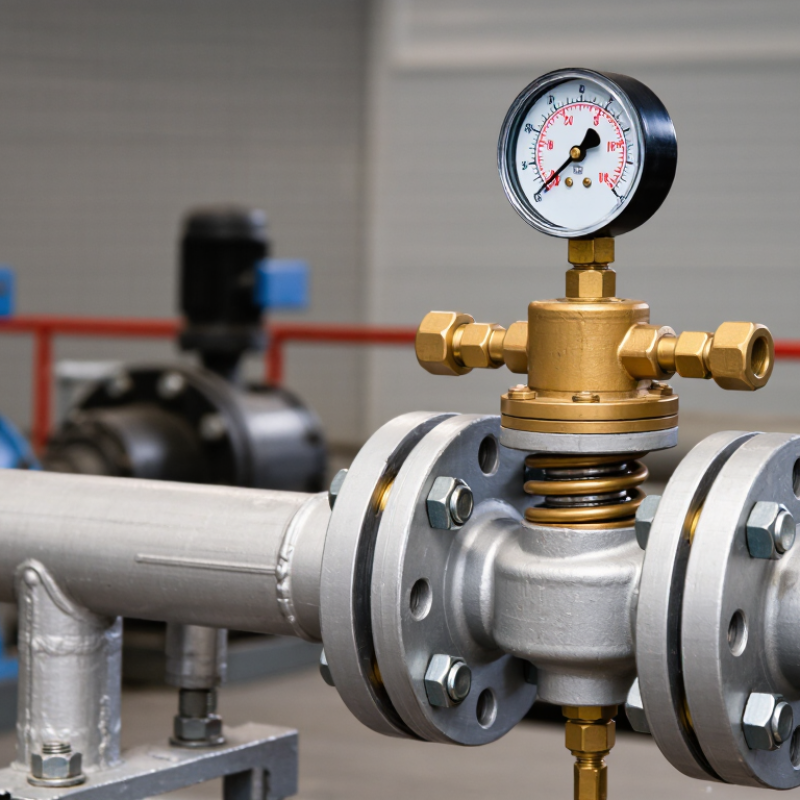
Why Is a PRV Valve Important for Your System?

What a Pressure Relief Valve Does in a Pressurized System

A pressure relief valve, or PRV, protects a pressurized system when pressure rises beyond a safe limit. It stays closed during normal operation. If pressure reaches its set point, the valve opens and releases fluid or gas through a discharge route. That matters. The release helps limit stress on pipes, vessels, seals, and connected equipment. A PRV does not control everyday operating pressure; a regulator or control system usually handles that job.

Overpressure can result from a blocked line, heating, or a control failure. The exact cause depends on the system. Correct valve sizing and set pressure are essential, and the discharge route must be suitable for the released material. A valve that is obstructed, incorrectly adjusted, or poorly maintained may not protect as intended. It is easy to treat this small component as an afterthought. That deserves a second look. Inspection and maintenance should follow the equipment maker’s instructions and be handled by qualified personnel.

Tips: Check that the valve’s rating matches the system. Keep its outlet clear, and never cap or block it. Look for corrosion, leaks, or signs of discharge during routine checks. If anything seems unusual, have the system assessed before returning it to service.

How a PRV Opens: Set Pressure, Lift, and Reseat

Why Is a PRV Valve Important for Your System?

A pressure relief valve protects equipment when pressure rises beyond its safe operating range. Its set pressure is the point at which the valve begins to open under specified test conditions. It is tempting to treat this as an exact switch, but actual opening behavior can vary with the valve design and system conditions. That gap matters.

As pressure climbs above the set point, the valve lifts and releases fluid or gas through its outlet. Lift describes how far the valve disc moves from its seat; greater lift generally allows more flow. Once pressure falls, the valve closes again at its reseat pressure, usually below the set pressure. This difference, called blowdown, helps prevent rapid opening and closing near the threshold. Not instantly. A dirty seat, backpressure, or an incorrectly sized discharge line can affect performance, so the valve and connected piping need proper inspection and sizing.

Tips: Check the set pressure against the equipment’s design requirements, and keep the outlet clear. Record inspection and test results. If the valve leaks or chatters, do not assume the set point is wrong; have a qualified technician assess the valve and system together.

Why Is a PRV Valve Important for Your System? - How a PRV Opens: Set Pressure, Lift, and Reseat

Operating Stage Inlet Pressure Compared with Set Pressure Valve Response Lift and Flow System Significance
Normal operation Below the set pressure The spring or other loading mechanism keeps the valve closed. The disc remains on the seat; there is no intended discharge through the valve. Helps prevent process fluid from escaping while system pressure remains within its intended operating range.
Approaching set pressure Close to the set pressure Depending on valve design and service conditions, slight leakage or audible simmer may occur as the disc begins to respond. Lift is small, so flow is limited and may be unstable. Persistent simmering can indicate that operating pressure is too close to the set pressure, or that the valve or installation needs inspection.
Opening at set pressure Reaches the specified set pressure under the conditions defined for the valve The pressure force overcomes the closing force, and the valve starts to open. The disc lifts from the seat, creating an opening for fluid to discharge. Provides a pressure-relief path when pressure reaches the valve’s specified opening threshold.
Further opening Rises above set pressure, within the valve’s permitted operating range The valve opens farther as pressure and flow conditions act on the moving parts. Greater lift generally provides a larger flow area; actual capacity depends on valve design, fluid properties, and installation. Allows the valve to discharge fluid to help limit further pressure increase. Required capacity and allowable overpressure must be established for the specific application.
Pressure falls and valve reseats Falls below set pressure by the valve’s blowdown amount The closing force returns the disc toward the seat, and the valve closes. Lift decreases until the disc contacts the seat; discharge should stop after closure. Reseating helps restore the system boundary. The closing pressure is normally lower than the opening set pressure.
After reseating Remains below the reseating pressure The valve stays closed unless pressure again reaches its opening conditions. The disc is seated; continued leakage is not normal and may require evaluation. Inspection can identify seat damage, contamination, incorrect selection, or other causes of leakage or repeated cycling.

Note: “PRV” can refer to a pressure-relief valve or a pressure-reducing valve. This table describes a pressure-relief valve. Set pressure, permitted overpressure, blowdown, and rated capacity depend on the valve type, applicable code, service fluid, and system design; consult the valve documentation and a qualified engineer for application-specific values.

ASME Section VIII: Single-Valve Accumulation Limit of 10% or 3 psi

Why Is a PRV Valve Important for Your System?

For a pressure vessel, a pressure relief valve (PRV) helps limit pressure when normal controls fail. Under ASME Section VIII, Division 1, UG-125(c), a single relief device generally permits pressure to rise no more than 10% above maximum allowable working pressure (MAWP), or 3 psi, whichever is greater. This is the accumulation limit—not the valve’s set pressure. The rule helps engineers check that a vessel’s pressure stays within the code’s permitted range during relief. Fire exposure and other special conditions can have different limits, so confirm the applicable code edition and service case.

In practice, a 100-psig MAWP vessel has a 10-psi accumulation allowance under this rule, giving a 110-psig limit during discharge. At lower MAWP, the 3-psi minimum can govern instead. That distinction is easy to miss. ASME’s Section VIII requirements and API Standard 520, Part I, provide key references for pressure-relief design and sizing. A correctly selected valve still needs adequate capacity, suitable installation, and periodic inspection; a blocked inlet or undersized discharge line can undermine protection.

Tips: Check the vessel nameplate, valve set pressure, and certified capacity together. Keep inlet and outlet paths clear, and document inspection findings. Small details matter. A field check may reveal issues that paperwork alone misses.

Where PRVs Protect Boilers, Pressure Vessels, and Pipelines

A pressure relief valve (PRV) helps protect equipment when pressure rises beyond a safe limit. In a boiler, heat can keep raising steam pressure, even when normal controls fail. A properly selected valve opens at its set pressure and directs steam or water to a suitable discharge point. That outlet needs clear space and correctly designed piping. Small details matter.

Pressure vessels, such as compressed-air receivers, can face overpressure from blocked outlets or process upsets. A PRV provides a final protective route, but it cannot correct poor operating procedures or replace pressure controls. Its capacity must match the equipment and credible overpressure conditions. Inspection matters. Corrosion, deposits, or a stuck mechanism can prevent reliable operation, so maintenance should follow the equipment’s service needs and applicable requirements.

Pipelines also use PRVs to manage pressure that may rise because of pump changes, thermal expansion, or sudden flow shifts. Their placement and discharge routing depend on the system layout and the fluid involved. A valve that is too small, poorly located, or isolated from the protected section may not provide the intended protection. Field conditions can differ from drawings. That deserves review. qualified personnel should verify the design, installation, and testing plan for each system.

How Sizing and Inspection Help Maintain Rated Relief Capacity

A pressure relief valve (PRV) protects equipment by opening when pressure exceeds its set point. But it only protects the system if it can pass the required flow. Correct sizing depends on the overpressure scenario, fluid properties, temperature, set pressure, and pressure drop through the discharge line. Small margins matter. An undersized valve may not relieve enough; a poorly selected valve may chatter or fail to reseat cleanly. Check sizing against engineering requirements, not a rule of thumb.

Inspection helps confirm the valve can still provide its rated relief capacity. Corrosion, deposits, damaged seats, blocked inlets, or altered piping can restrict flow. Review service records, then inspect at intervals suited to operating conditions and manufacturer guidance. A visual check can reveal trouble, but it cannot prove capacity. That assumption deserves a second look. Qualified personnel should perform functional testing and adjustments using suitable procedures. Never change the set pressure just to stop repeated lifting.

Tips: Keep inlet and outlet paths clear, record test results, and investigate recurring lifts. Do not guess. If process flow or operating conditions change, have the sizing reviewed before relying on the original rating.

Why Is a PRV Valve Important for Your System?

How sizing and inspection help maintain rated relief capacity

In this illustrative example, the required relief load is 800 kg/h. A correctly sized valve provides 1,000 kg/h, while an inlet restriction reduces the example’s available capacity below the required load. Inspection can help identify restrictions or other problems so corrective action can be taken. Actual rated capacity depends on the valve’s certified data and the system’s fluid, pressure, temperature, and installation.