2026 Top Quick Connect Hose Fittings for Global Buyers
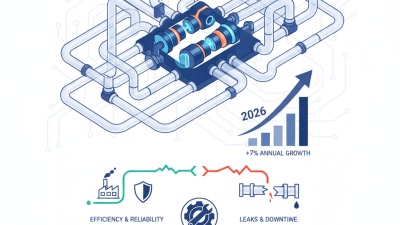
For global buyers, choosing Quick Connect Hose Fittings in 2026 is not just a matter of finding a coupling that clicks into place. The fitting must match the hose, media, working pressure, temperature range, and connection profile. One mismatch can mean leakage, downtime, or a costly replacement. Small details matter. A seal may look sound on a sample, yet behave differently after repeated connection cycles or exposure to heat.
Fluid-power author John Watton’s engineering work offers a useful selection principle: “Reliable connections depend on matching the fitting to the whole system.” This is a paraphrase, not a verified quotation. It captures an important point for procurement teams: evaluate the assembly, not just the catalog description. Check material compatibility, pressure ratings, locking design, seal options, and test documentation. Ask suppliers how products are inspected, and request clear traceability for the specific items being quoted. A polished datasheet helps. It does not replace practical verification.
This guide compares leading Quick Connect Hose Fittings for different buyer priorities, including durability, ease of handling, and supply consistency. It also considers what global sourcing can complicate: product naming, regional connection standards, and limited technical support after delivery. There is no universal winner. A compact brass fitting may suit one low-pressure application, while a stainless-steel design may be more appropriate for another. Buyers should confirm requirements with their engineers and suppliers before ordering. That step can feel slow. Skipping it can be slower.
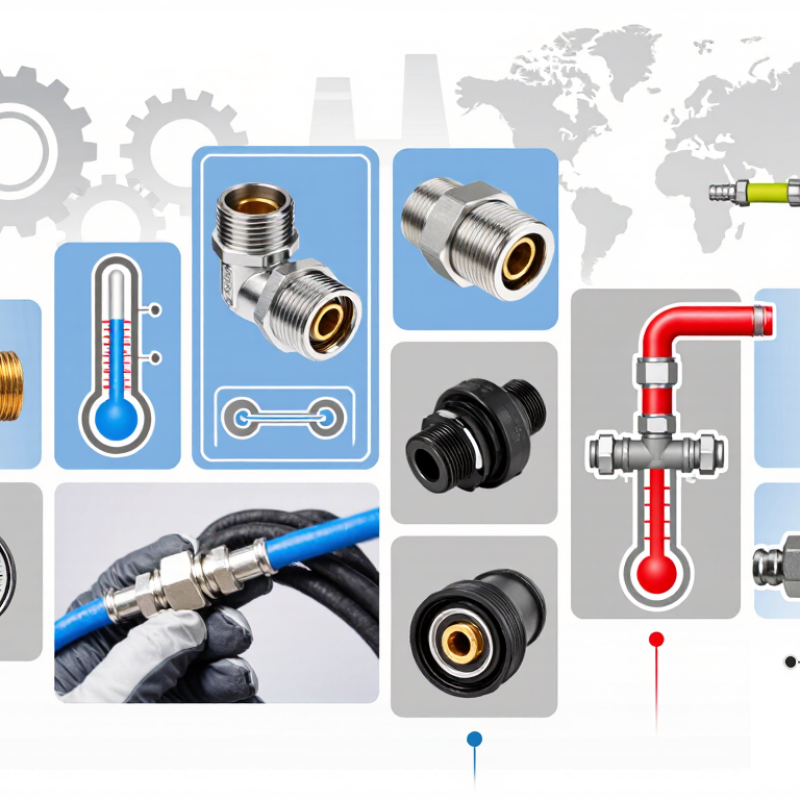
What Quick Connect Hose Fittings Are and How They Work
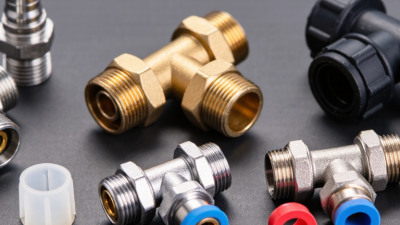
Quick connect hose fittings join a hose or pipe to equipment without repeated threading. A typical set has two parts: a plug and a socket. The plug slides into the socket, where internal locking balls or another retaining mechanism hold it in place. A spring-loaded sleeve often moves back to release the connection. The exact design varies.
Some couplings include valves that close when disconnected, limiting fluid loss. Others leave the passage open, so the line must be shut off before separation. When connected, a seal—often an O-ring—helps prevent leakage as liquid or air passes through the central bore. A firm click is useful, but it is not proof of a sound seal.
Selection takes more than matching the hose diameter. Check the working pressure, temperature range, fluid compatibility, seal material, and connection profile against the equipment specifications. Small differences in plug shape can prevent a proper fit, even when two parts look alike. In practical use, wipe dust from the mating faces and inspect seals for cuts or flattening. Never disconnect a pressurized line. The terminology can be confusing, and even experienced users may need to verify a fitting’s profile before replacing it. A quick connection saves time, not inspection.
Common Fitting Types, Materials, and Connection Designs
Quick-connect hose fittings are commonly grouped by their locking mechanism and how they release. Ball-lock couplings use locking balls and a sliding sleeve, making frequent changes straightforward. Dirt can still prevent full engagement. Push-to-connect fittings are widely used in pneumatic lines, but pressure and fluid compatibility vary by design. Flat-face couplings reduce spillage during disconnection and are easier to wipe clean. Small details matter.
Material selection depends on the fluid, working pressure, temperature, and surrounding conditions. Brass suits many general-purpose water and air applications. Stainless steel offers stronger corrosion resistance in washdown or marine environments, while protected carbon steel is common in hydraulic service. These are useful starting points, not universal rules. Check published compatibility data for both the body and its seal; an unsuitable NBR, EPDM, or FKM seal may fail before the metal does. The obvious choice is not always right.
Connection ends also affect fit and reliability. Common designs include NPT or BSP threads, hose-barb tails secured with clamps, and crimp ends matched to a hose assembly. Verify thread form, size, and sealing method, since similar-looking threads may not mate correctly. Fit matters. Compare the pressure rating of the complete hose assembly, not just the fitting. I would also check a sample along the intended hose route: a tight bend can expose a poor connection choice quickly.
2026 Top Quick Connect Hose Fittings for Global Buyers
Common fitting types, materials, and connection designs
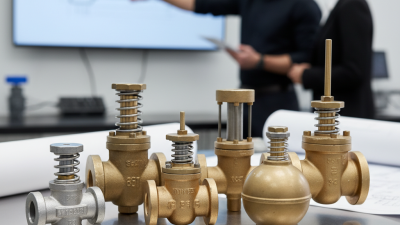
Material density can help compare fitting weight: nylon and aluminum are lighter than steel and brass. Values shown are approximate reference densities; actual values vary by grade and formulation. Common quick-connect options include push-to-connect, sleeve-lock, cam-and-groove, and threaded designs. Select fittings based on application requirements such as pressure, temperature, fluid compatibility, and connection standard.
How to Compare Performance, Compatibility, and Safety
Quick-connect hose fittings can save time during frequent line changes, but speed alone is a poor buying measure. Compare rated working pressure, temperature range, flow capacity, and pressure drop under realistic operating conditions. A fitting that performs well with water may behave differently with oil, compressed air, or cleaning fluids. Check seal and body materials against the actual media, not just a product summary.
Compatibility starts with connection type, size, and sealing profile. Similar-looking couplings may not mate securely. Confirm dimensions, thread standards, and interchangeability with the existing hose assembly before ordering. For cross-border shipments, request clear drawings and test documentation in consistent units. Small details matter. A few millimeters can cause leakage or prevent a proper connection.
Safety deserves a hands-on check. Verify that pressure and temperature ratings cover expected peaks, not only normal use. Ask how the coupling prevents accidental release, and follow the manufacturer’s instructions for connection and disconnection. Depressurize the line before uncoupling unless the design and procedure explicitly allow otherwise. A catalog comparison can still miss real operating conditions; that is an imperfect part of remote sourcing. Where possible, trial a sample on the actual hose, equipment, and fluid before approving a larger purchase.
Top Quick Connect Hose Fittings for Key Applications in 2026
In 2026, quick connect hose fittings serve many applications, but the right choice depends on the fluid, pressure, temperature, and work environment. In food processing, smooth, cleanable surfaces can help reduce residue around connection points. For agricultural equipment, fittings must handle vibration, dust, and frequent hose changes in the field. Fit matters. A coupling that connects easily but leaks under operating pressure is not a useful shortcut.
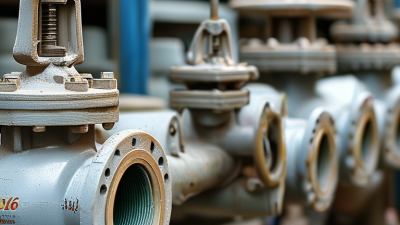
In workshops and manufacturing lines, air and water systems often benefit from connections that support quick maintenance. Check the fitting material against the hose and fluid, then confirm the pressure rating for the full system—not just the connector. A technician should also inspect seals for wear and test connections before routine use. No single design suits every job. Buyers sometimes focus too much on connection speed; I would treat that as only one selection factor. Compatibility, access for cleaning, and replacement-part availability deserve equal attention. Specifications can look clear on paper, yet real installations may reveal awkward hose routing or hard-to-reach release sleeves. A small trial under normal working conditions can catch those issues early.
Global Buyer Guide to Standards, Sourcing, and Supplier Selection
2026 Top Quick Connect Hose Fittings for Global Buyers
A quick-connect fitting must match the hose, fluid, pressure, and operating environment. For hydraulic applications, check whether the relevant ISO 7241 requirements apply; the standard does not make every coupling interchangeable. Confirm the exact series, connection dimensions, working pressure, temperature range, seal material, and fluid compatibility. A fitting that locks correctly can still leak under pressure. Small details matter.
Tips: Send suppliers a drawing, sample, or clear interface measurements. Ask for material details, pressure-test records, and batch traceability. Compare test conditions with your actual operating range, not just the headline rating.
When sourcing across borders, request written specifications and sample approval before placing a large order. Ask how the supplier controls dimensional variation between production batches. Check whether inspection records and certificates can be tied to the delivered lot. A factory visit may help, but it cannot replace documented testing. Be cautious of vague claims such as “universal fit” or “high pressure” without figures. I have seen buyers focus on unit price and overlook seal replacement availability; that can become an expensive delay. Supplier selection is not always neat, and one sample cannot prove long-term consistency. Keep a few assumptions open until production data confirms them.