How to Choose a Double Check Valve in 2026?

Choosing a Double Check Valve in 2026 is not just a matter of matching pipe size. The assembly must suit the hazard, pressure range, flow demand, and installation conditions. A valve that looks correct on a drawing may perform poorly if access for testing is cramped or debris collects near its checks. Small details matter.

The U.S. Environmental Protection Agency’s 2023 Drinking Water Infrastructure Needs Survey and Assessment estimates $625 billion in drinking-water infrastructure needs over the next 20 years. That figure covers much more than backflow assemblies, but it highlights the importance of dependable system components. EPA’s Cross-Connection Control Manual also explains how backflow protection helps reduce contamination risks. No single valve removes every risk.

EPA Administrator Michael S. Regan has stated, “Every American deserves access to clean, safe drinking water.” That public-health principle helps explain why selection deserves careful engineering, not guesswork. For product criteria, compare the relevant edition of ASSE 1015 and verify that the assembly is listed for its intended use. Then check pressure loss, materials, service access, and documented test requirements. A lower purchase price can become a poor bargain when maintenance access is difficult.

This guide examines those choices for 2026. It also considers a less tidy reality: site drawings can be incomplete, and operating conditions may change after installation. Confirm the actual conditions before specifying a model. That extra check is worth it.
How to Choose a Double Check Valve in 2026?

Understand How a Double Check Valve Works and Where It Is Used

How to Choose a Double Check Valve in 2026?

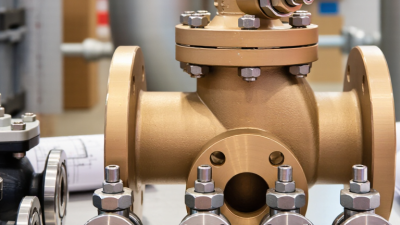
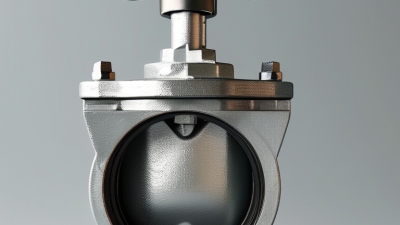
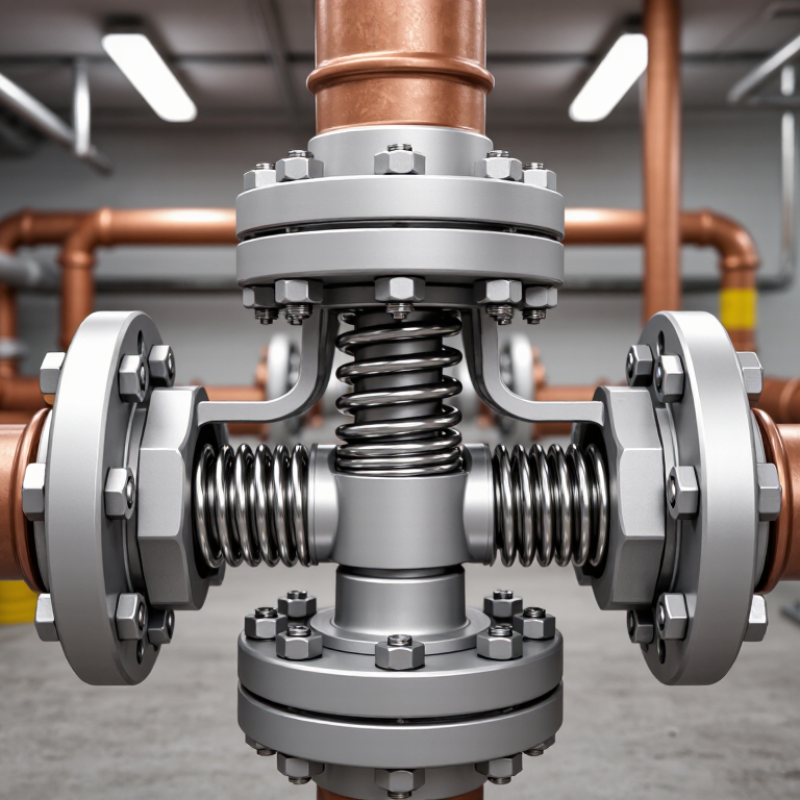
A double check valve contains two independently acting check valves in one body. Each valve allows water to move forward and closes if flow reverses. The second check adds another barrier if the first leaks or fails. Simple, but not foolproof. These assemblies are commonly used on irrigation lines, commercial plumbing, and some heating systems to reduce backflow risk. They are generally intended for lower-risk contamination conditions, not every installation.

Tips: Match the valve size to the pipe and expected flow. Check the body arrow before installation. Allow room to reach test ports and service parts. A cramped location can make routine checks difficult.

When choosing a valve, consider operating pressure, temperature, flow rate, and pressure loss through the assembly. Confirm that its materials suit the water and environment; an outdoor unit may need protection from freezing. A qualified plumbing professional can assess the hazard level and confirm whether this valve type fits the system. Requirements vary by application. I would also check maintenance access before buying, because a technically suitable valve can still be awkward to test or replace.

Identify the System’s Backflow Risks and Operating Requirements

How to Choose a Double Check Valve in 2026?

Identify the System’s Backflow Risks and Operating Requirements

Start by mapping where water or another fluid could reverse direction. A pump shutdown, pressure drop, or connected hose can create a backflow path. Note every cross-connection, including irrigation branches and dosing equipment. What could enter the supply? The answer determines how much protection the system needs. A double check valve is not suitable for every hazard; confirm that its protection level matches the fluid and risk.

Then check the operating conditions. Record normal and peak pressure, flow rate, fluid temperature, and expected pressure fluctuations. A valve that is too small may restrict flow. One with unsuitable pressure ratings may fail or perform poorly. Pressure changes matter. Check the valve’s approved installation position, pressure loss data, and access for inspection or testing. Leave room around it; cramped pipework makes maintenance harder. I would also revisit assumptions about “normal” flow, since startup and pump cycling can change conditions. Compare the requirements with current local plumbing rules and qualified technical guidance before selecting a model. If the hazard is high or uncertain, seek a professional assessment rather than relying on a double check valve alone.

Compare Valve Types, Materials, and Applicable Standards

How to Choose a Double Check Valve in 2026? Compare valve types, materials, and applicable standards before buying. A double-check assembly uses two independent checks to limit backflow. An RP assembly adds a relief valve and may be required for higher-hazard applications. The choice depends on the hazard assessment and local code, not just pipe size. The EPA’s 2023 7th Drinking Water Infrastructure Needs Survey and Assessment estimates $625 billion in drinking water infrastructure needs over 20 years. That figure is not valve-specific, but it underscores the cost of dependable system components.

Material choice affects service life. Bronze or copper-alloy bodies are common in smaller potable-water lines; ductile iron suits many larger installations. Stainless steel can help in corrosive settings, but compatibility depends on water chemistry. Check elastomer temperature and chemical limits, too. For applicable requirements, verify the adopted editions of ASSE 1015, AWWA C510, or CSA B64.5 with the project specification and local authority. A compliant label alone does not confirm suitability for every installation.

Tips: Match the assembly to the assessed hazard, flow, pressure, and installation orientation. Confirm service access before choosing a location. Fit matters. Keep clearance around test ports, and check pressure-loss data against actual demand. A catalog value can look reassuring; field conditions may tell a different story.

How to Choose a Double Check Valve in 2026? — Compare Valve Types, Materials, and Applicable Standards

Comparison area Option or requirement Typical characteristics Selection guidance Standards and verification
Assembly type Double check valve assembly (DCVA) Contains two independently acting check valves in series, with shutoff valves and test cocks for field testing. Designed to protect against backpressure and backsiphonage where the applicable hazard classification permits this protection level. Consider for applications such as non-hazardous commercial or irrigation connections when accepted by the local water authority. Confirm the required protection level before specifying. Common U.S. product standards include ASSE 1015 and AWWA C510. Local plumbing and water-authority requirements determine where the assembly may be used.
Assembly type Double check detector assembly (DCDA) A double-check arrangement with a bypass meter and a smaller detector check assembly, commonly used to identify low flows in fire-protection services. The main assembly provides the backflow protection; the bypass is used for flow detection. Consider where a fire-service connection requires detection of unauthorized or low-rate water use. Verify the fire system design, required flow capacity, and authority approval. Check the applicable edition of AWWA C510 and the requirements of the local water authority and fire-protection code. Confirm assembly listing and installation orientation.
Related device—not equivalent Dual check valve Usually a compact device with two check elements, but it may not have the shutoff valves and test cocks required for a testable DCVA. Device construction and approval vary by product and jurisdiction. Do not substitute a dual check for a testable DCVA where the code or water authority requires a testable assembly. Confirm its approved use and hazard limitations. Verify the specific product standard and local approval. A dual check should not be assumed to meet ASSE 1015 or AWWA C510 requirements.
Body material Bronze or copper alloy Common in smaller sizes; corrosion resistance and suitability depend on the alloy, water chemistry, temperature, and applicable potable-water requirements. Check alloy compatibility with the water and installation environment, as well as pressure and temperature ratings. Confirm lead-content requirements for potable-water use. NSF/ANSI/CAN 61 addresses health effects of drinking-water system components; NSF/ANSI/CAN 372 addresses weighted average lead content. Confirm the required certification scope.
Body material Ductile iron or cast iron Often used for larger assemblies and flanged installations. Protective coatings and corrosion control may be important, especially in buried, damp, or aggressive environments. Review the specified coating, lining, external protection, flange arrangement, and the manufacturer’s pressure and temperature ratings. Do not infer suitability from body material alone. AWWA C510 covers double check valve backflow prevention assemblies. Check flange dimensions and connection requirements against the project specification and applicable standards.
Internal components Stainless steel, copper alloy, and elastomer components Check discs, springs, seats, seals, and fasteners may use different materials within one assembly. Compatibility and service life depend on water chemistry, temperature, and maintenance conditions. Ask for a complete wetted-material schedule. Confirm elastomer compatibility, replacement-part availability, and access for inspection and testing. For potable-water installations, verify applicable drinking-water contact certifications for the complete assembly and relevant wetted components.
Operating conditions Pressure, temperature, flow, and water quality Allowable limits are model- and size-specific. Pressure loss varies with flow and assembly design; debris, scale, or poor water quality can affect check-valve operation. Size from the required flow and allowable pressure loss, then confirm the published working-pressure and temperature ratings. Provide suitable access, drainage, and protection from freezing where applicable. Use the product’s certified rating data and installation instructions. Code requirements may specify installation location, orientation, clearance, and test access.
U.S. assembly standard ASSE 1015 Standard for double check valve backflow prevention assemblies. It provides performance and testing requirements for assemblies within its scope. Specify an assembly certified to the required standard and size range; confirm that the exact model and configuration are accepted by the local authority. ASSE 1015; check the current adopted edition and applicable certification listing.
U.S. waterworks standard AWWA C510 Standard covering double check valve backflow prevention assemblies for waterworks applications. Useful when a project specification or water utility calls for an AWWA-compliant assembly. Confirm that the selected assembly also satisfies local installation and testing rules. AWWA C510; verify the current edition cited by the project or authority.
Canadian standard CSA B64.5 Canadian standard associated with double check valve backflow preventers. Canadian requirements and accepted device applications can differ by province and authority. For Canadian projects, check provincial plumbing rules and the water purveyor’s accepted-device list in addition to the product standard. CSA B64.5; confirm the current edition and local adoption.
Potable-water materials NSF/ANSI/CAN 61 and NSF/ANSI/CAN 372 These standards address, respectively, health effects of drinking-water system components and weighted average lead content. They do not replace the backflow assembly performance standard. Confirm whether the jurisdiction requires certification, and verify that certification applies to the specific model, size, materials, and intended service. NSF/ANSI/CAN 61; NSF/ANSI/CAN 372; check current certification listings and jurisdictional requirements.
Final selection checks Approval, installation, testing, and maintenance Backflow rules are jurisdiction-specific. Many authorities require installation by qualified personnel and periodic testing by an approved tester; exact intervals and procedures vary. Before purchase, confirm hazard classification, accepted device type, size, pressure loss, service conditions, installation clearances, test access, and maintenance plan with the local authority. Use the current locally adopted plumbing code, water-authority requirements, applicable product standard, and assembly installation instructions.

Note: Standards editions, approvals, and permitted applications may change. Always confirm the current requirements with the authority having jurisdiction and verify the ratings and certification of the exact assembly selected.

Match Valve Size and Pressure Rating to the System

How to Choose a Double Check Valve in 2026?

Match Valve Size and Pressure Rating to the System

Choose the valve for the system’s actual design flow, not just the pipe’s nominal diameter. A valve that is too small can create excessive pressure loss and reduce downstream pressure. Oversizing can also place operation outside the valve’s intended flow range. Check the manufacturer’s flow curve for pressure drop at expected low, normal, and peak flow. Small details matter. A measured flow rate is more useful than a rough estimate based on pipe size.

Match the pressure rating to the highest pressure the valve may experience, including pump shutoff pressure and brief surges. Check the rating at the system’s operating temperature, since allowable pressure can change with temperature. Also confirm that enough pressure remains after the valve to serve downstream equipment. A design calculation may look tidy, yet real systems can have unexpected demand changes. Verify assumptions against site measurements where possible.

Tips: Record flow, operating temperature, and maximum pressure before selecting a size. Compare the valve’s pressure-loss data with the system’s available pressure. Leave access for inspection and testing. Don’t rely on nominal pipe size alone.

Check Installation, Maintenance, and 2026 Compliance Needs

Choosing a double check valve in 2026 means checking the installation conditions, not just the pipe size. Confirm the flow direction and the valve’s approved orientation before ordering. Leave enough room to reach shutoff valves and test ports. A cramped installation can turn a routine inspection into a costly repair. Keep it accessible.

Check pressure, temperature, and connection details against the system’s actual operating conditions. Support nearby pipework so its weight does not strain the assembly. In cold or damp spaces, consider protection from freezing and provide drainage where required. A small layout change may prevent bigger problems later. It is easy to overlook clearance until the valve needs testing.

Maintenance and compliance depend on location and application. Before installation, check the current requirements adopted by the local authority and water provider for 2026. Rules may specify acceptable assemblies, testing intervals, approved installers, or recordkeeping. Do not assume an old approval still applies. Schedule inspections according to local requirements, and have a qualified tester check performance using the specified procedure. Keep dated results with service records. I would verify those details twice; code updates and site conditions do not always line up neatly.